


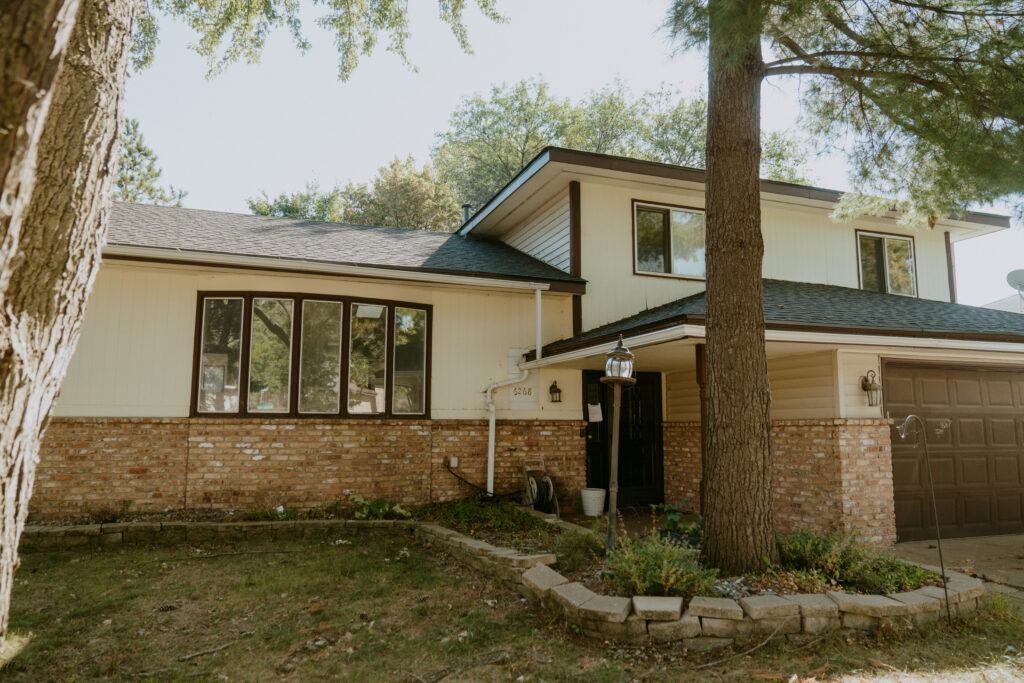
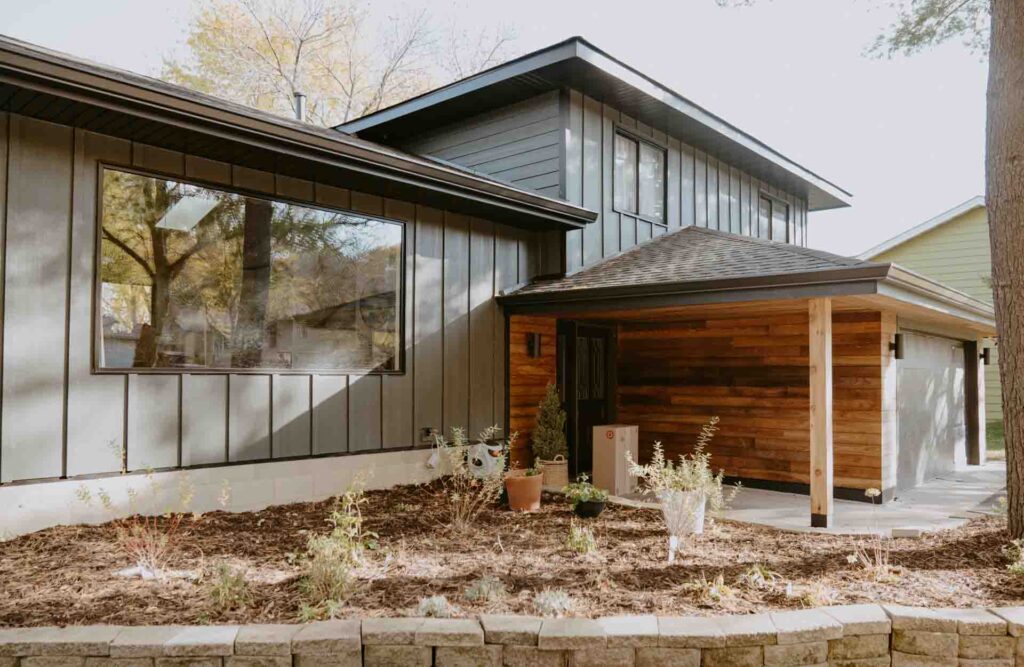
In this post, we’re sharing how we transformed our dated 1970s home into a mid century modern exterior that finally feels intentional, durable, and timeless. What started as storm damage turned into an opportunity to fix long-standing issues and redesign our home’s exterior to work better and last longer.
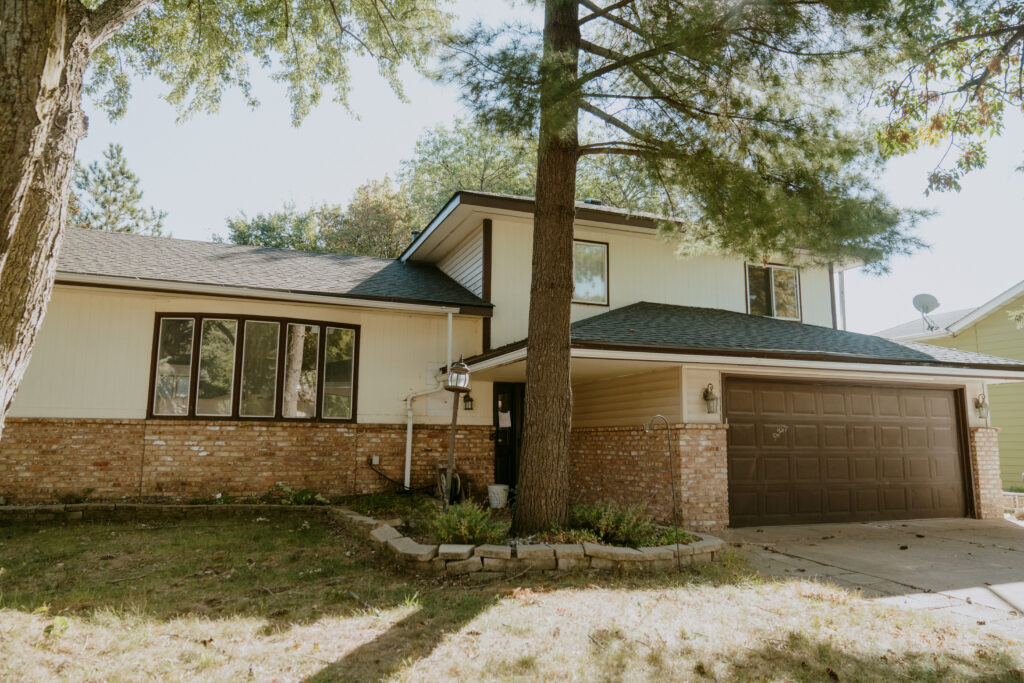
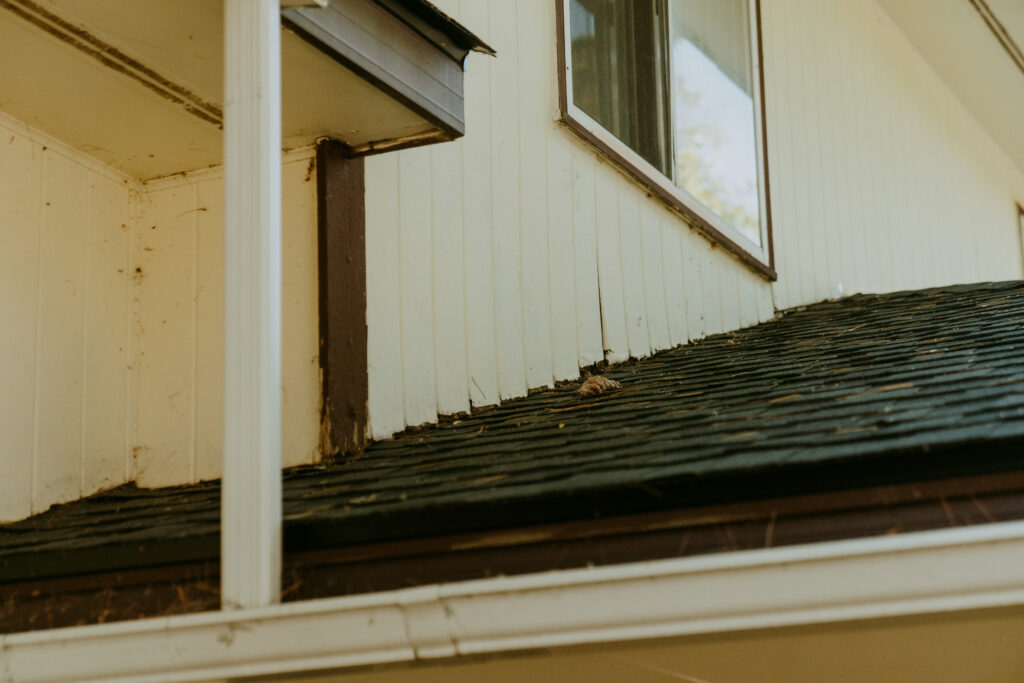
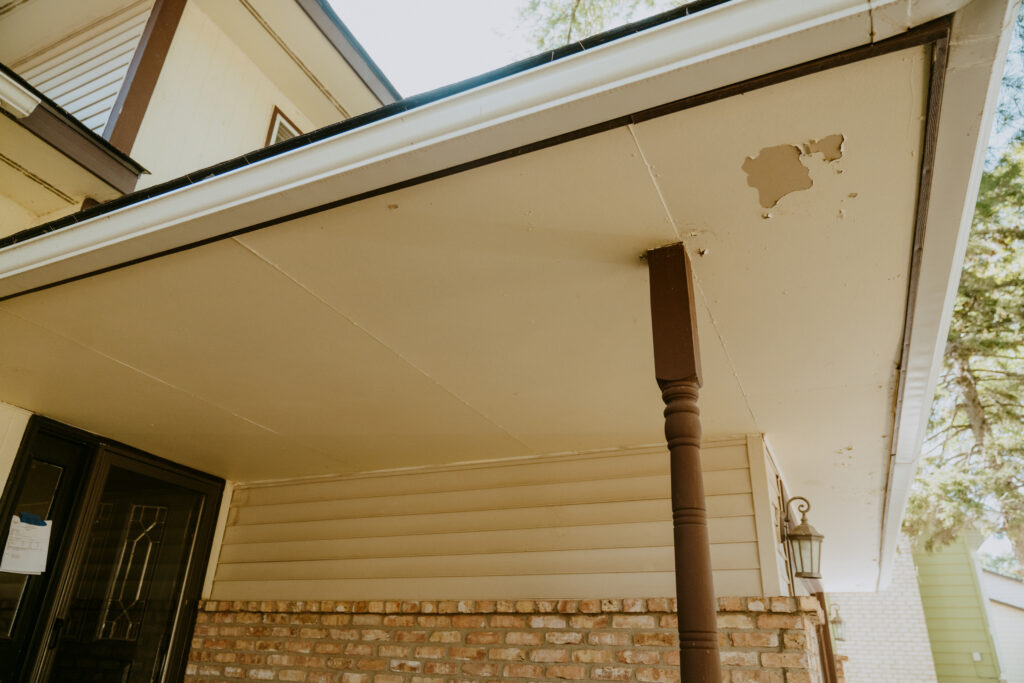
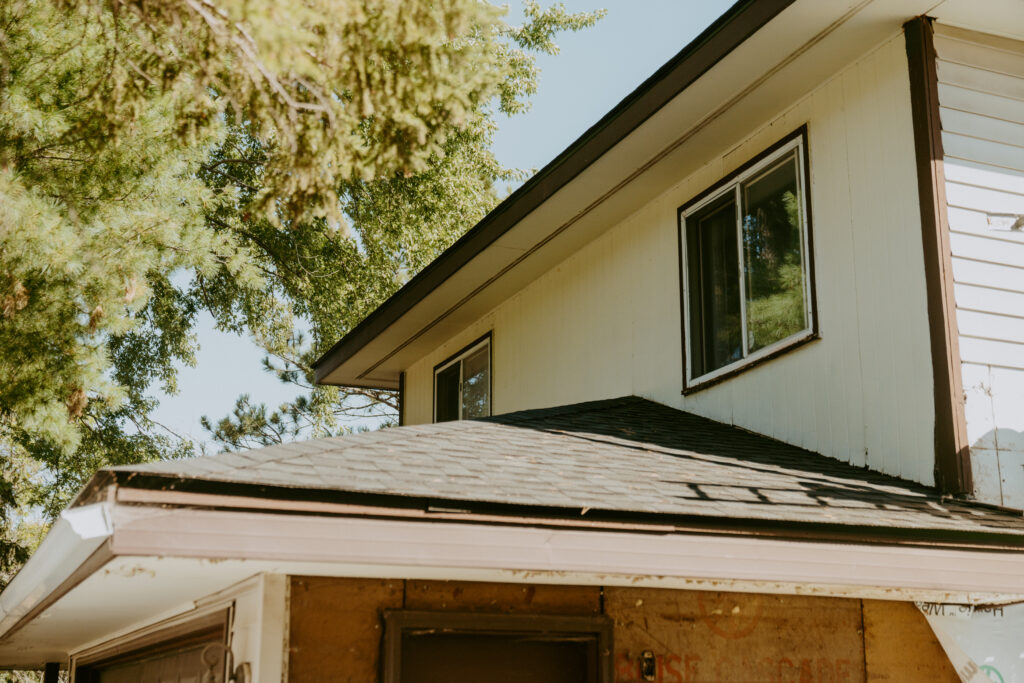
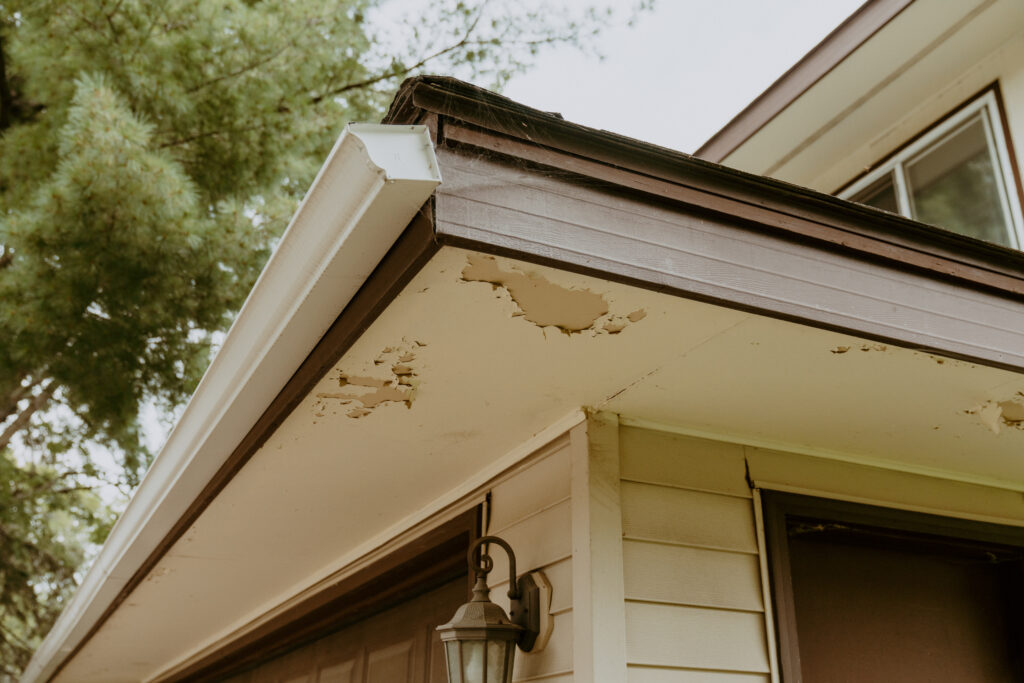
When we bought our 1970s home, the exterior was already in rough shape. We purchased it as-is, fully aware that a full renovation was not immediately in the budget. What we did not realize was just how many hidden issues were waiting beneath the surface.
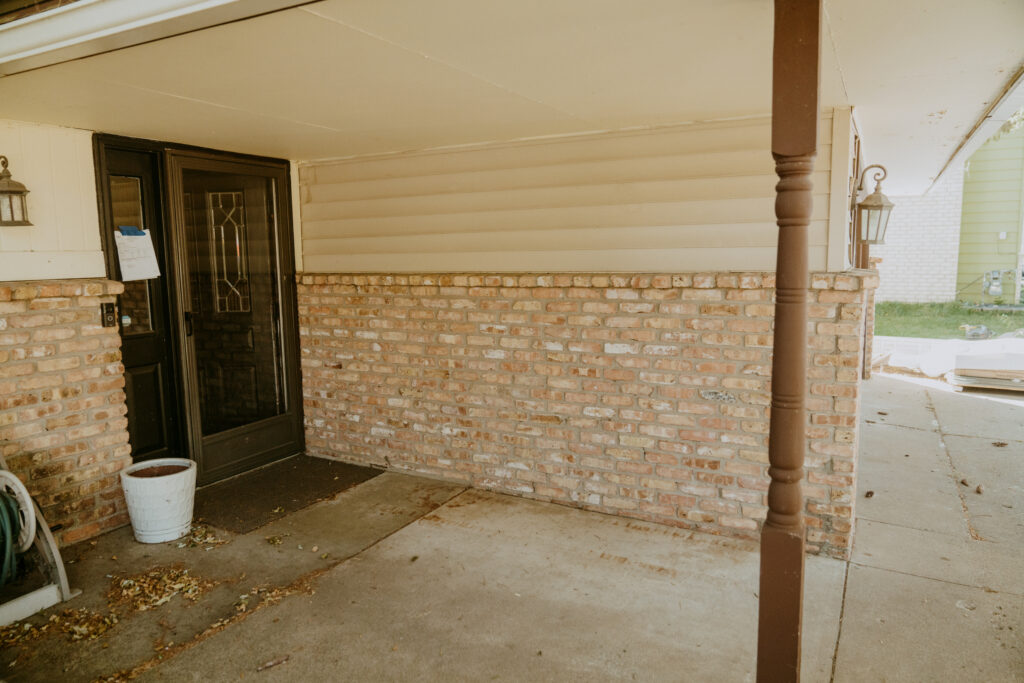
At first glance, the exterior looked tired but manageable. Over time, it became clear that it had been patched together rather than properly maintained. Small fixes never seemed to solve the bigger problems, and year after year we felt like we were putting bandages on something that needed real attention.
Then, in the summer of 2023, a hailstorm rolled through and changed everything.
What started as storm damage became the opportunity to finally address our home’s exterior the right way and design something that felt intentional, durable, and aligned with the mid-century modern style we love.
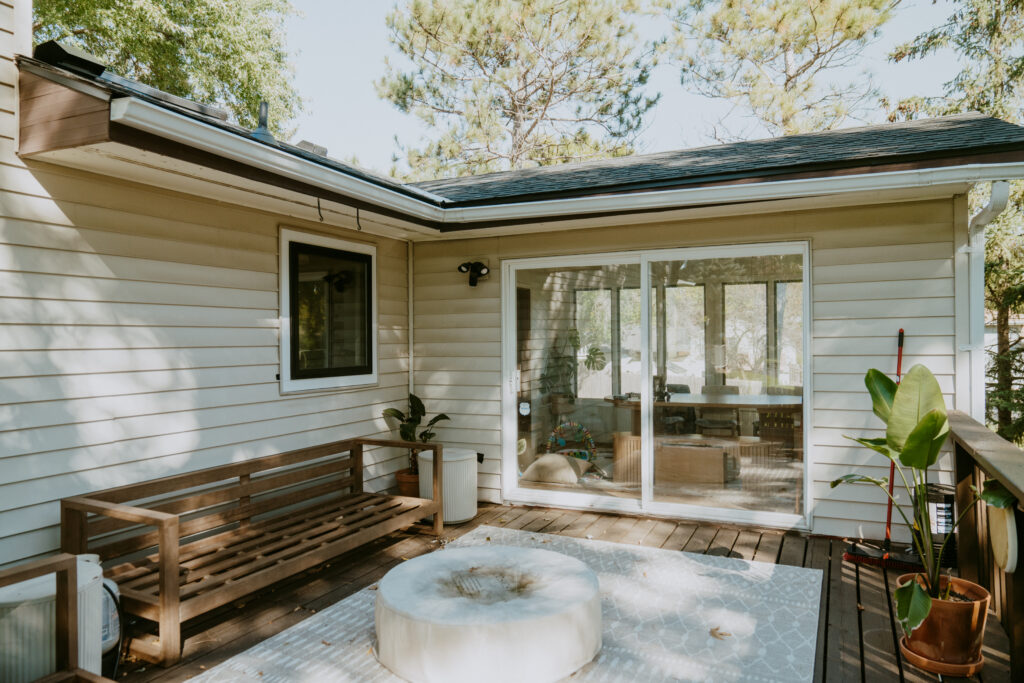
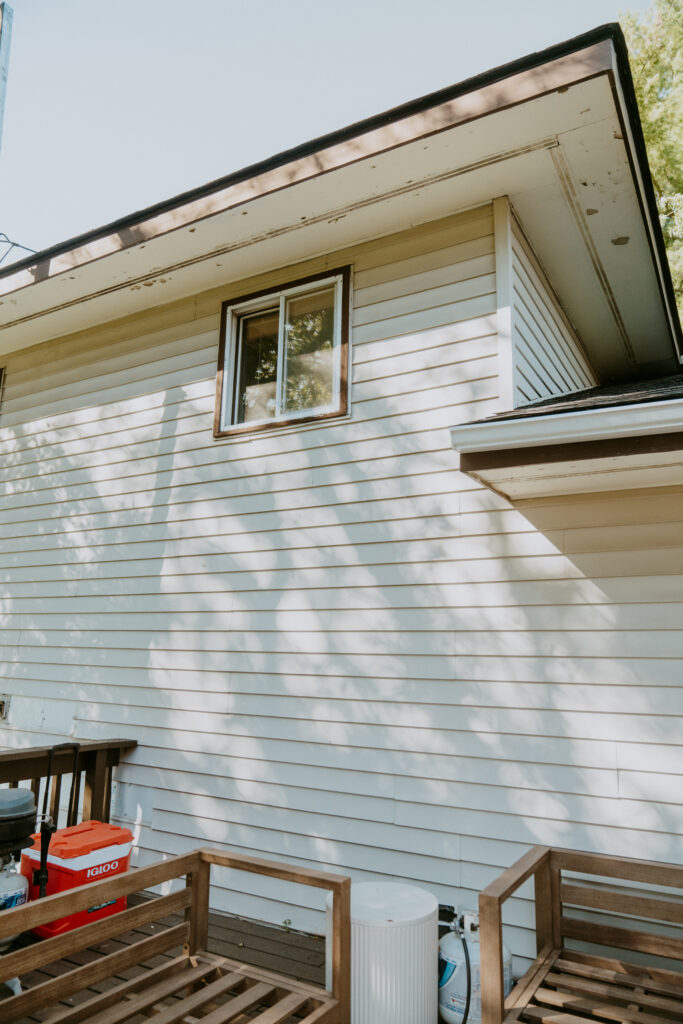
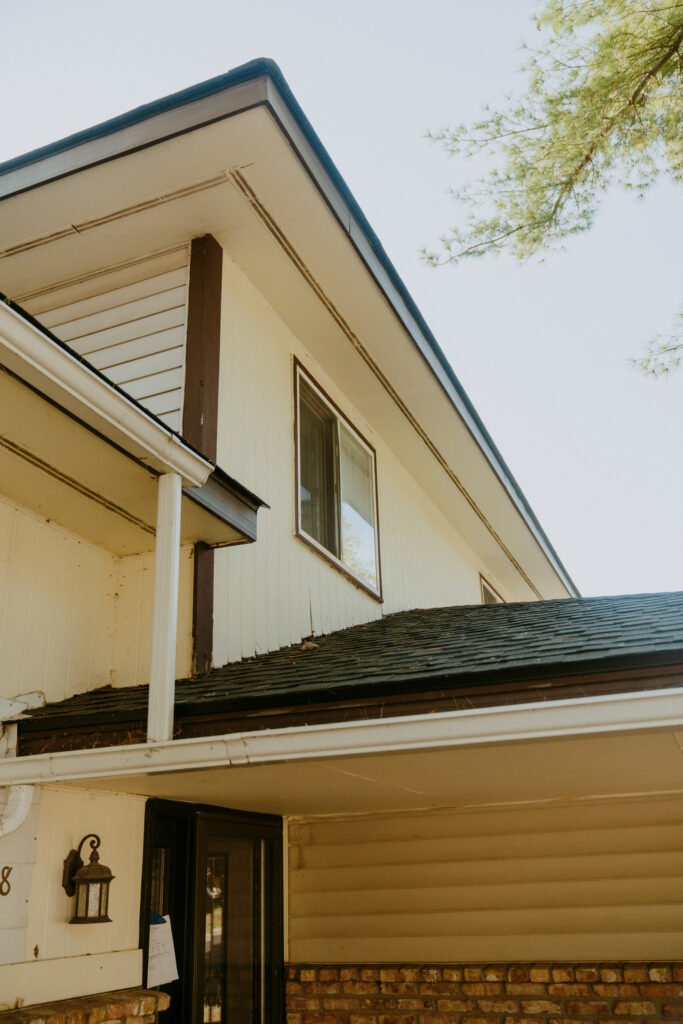
Our Goals for a Mid-Century Modern Exterior Renovation
This project was about more than making the house look better. We wanted an exterior that worked properly and would last for decades.
Our main goals included:
- A licensed contractor who could properly seal the home and eliminate pest entry points
- Creating a mid-century modern exterior that felt intentional, warm, and timeless
- Adding proper gutters to manage water and prevent future damage
- Choosing durable siding that could withstand hail, wildlife, and Minnesota’s harsh seasons
- Replacing soffits and fascia to restore proper ventilation
- Incorporating wood accents without increasing long-term maintenance
Every decision we made came back to longevity, function, and design that would still feel right years from now. We didn’t want quick fixes or trendy choices that might look dated in a few seasons. Instead, we focused on materials and design elements that would hold up to real life, protect the home long-term, and still feel intentional and timeless as our family grows.
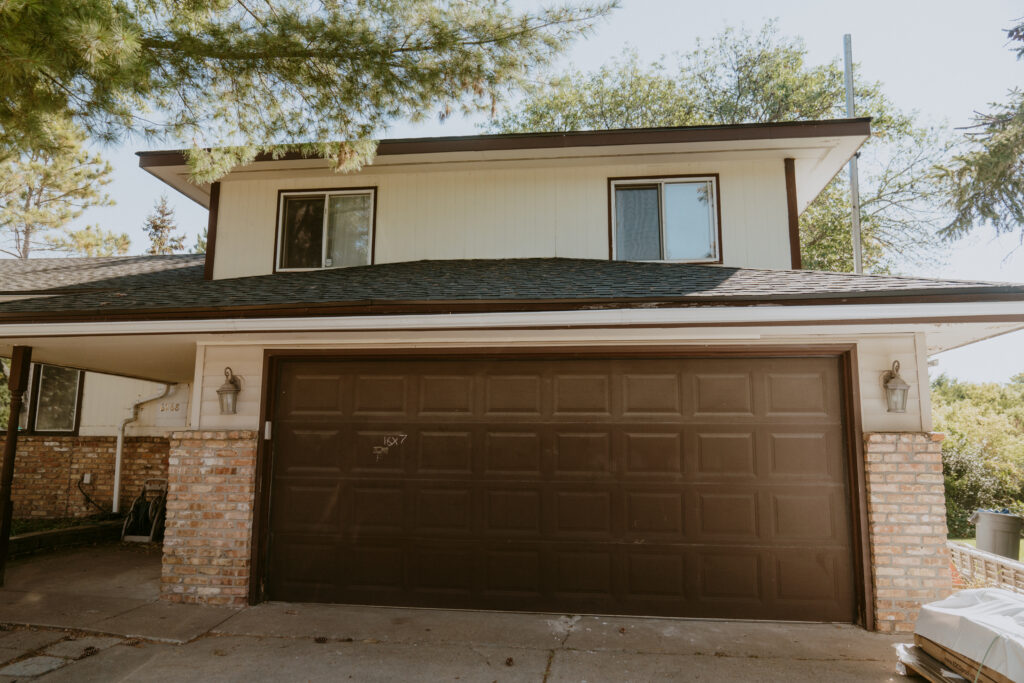
Choosing Durable Exterior Materials for Minnesota Weather
Living in Minnesota means designing for real life, not just for looks. Our exterior needed to stand up to hailstorms, heavy snow, constant freeze–thaw cycles, moisture, and persistent wildlife like woodpeckers and squirrels. These conditions ruled out a lot of materials right away and forced us to think carefully about durability, moisture resistance, and long-term performance. Every material we chose had to protect the home just as much as it elevated the design.
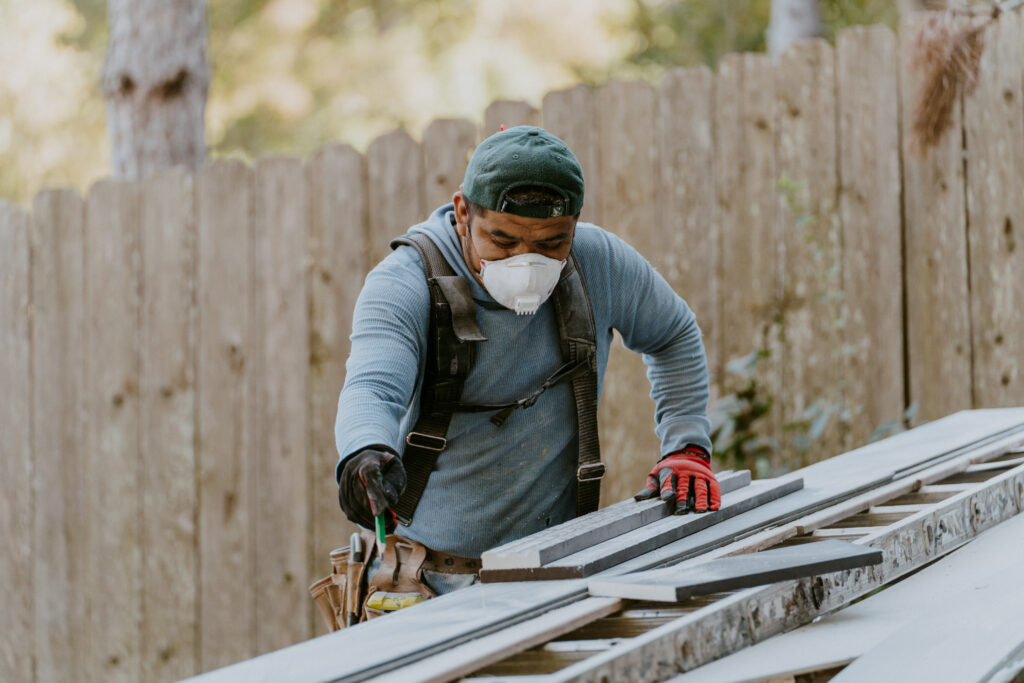
That is why we chose James Hardie fiber cement siding as the foundation of our renovation.
Why James Hardie Siding Made Sense for Our Home
James Hardie checked every box for us, both practically and visually.
- Extremely durable and moisture resistant
- Not something pests can chew through
- Clean, architectural lines that complement mid-century modern design
- A major upgrade from vinyl and traditional wood siding
- Backed by a 30-year non-prorated warranty
This material alone gave us confidence that we would not be revisiting this project anytime soon.
Why Proper Siding Installation Matters More Than You Think
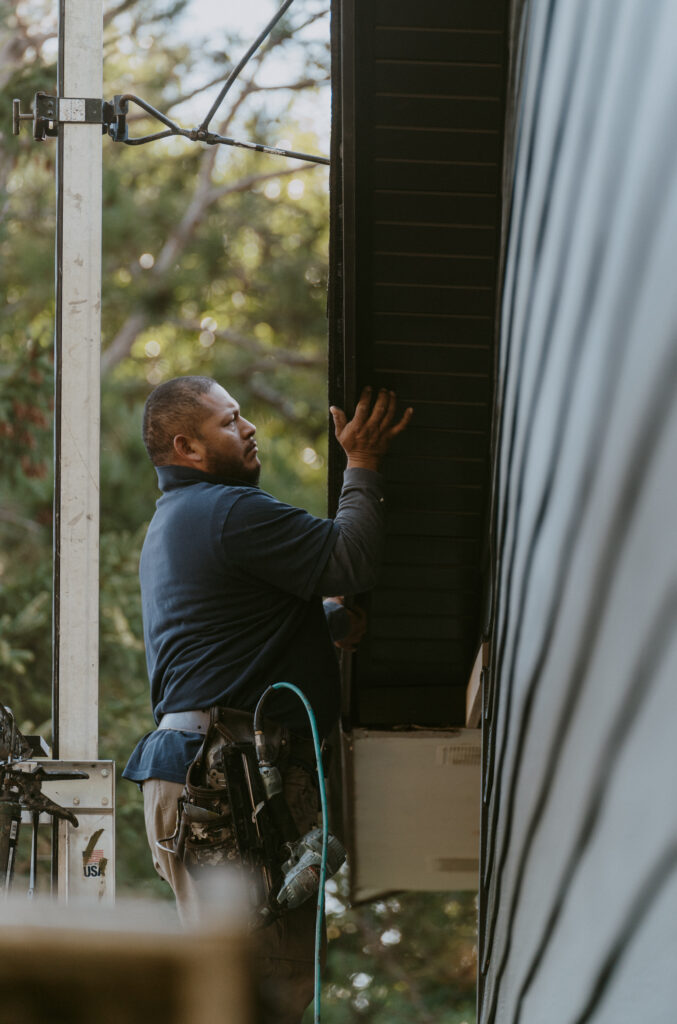
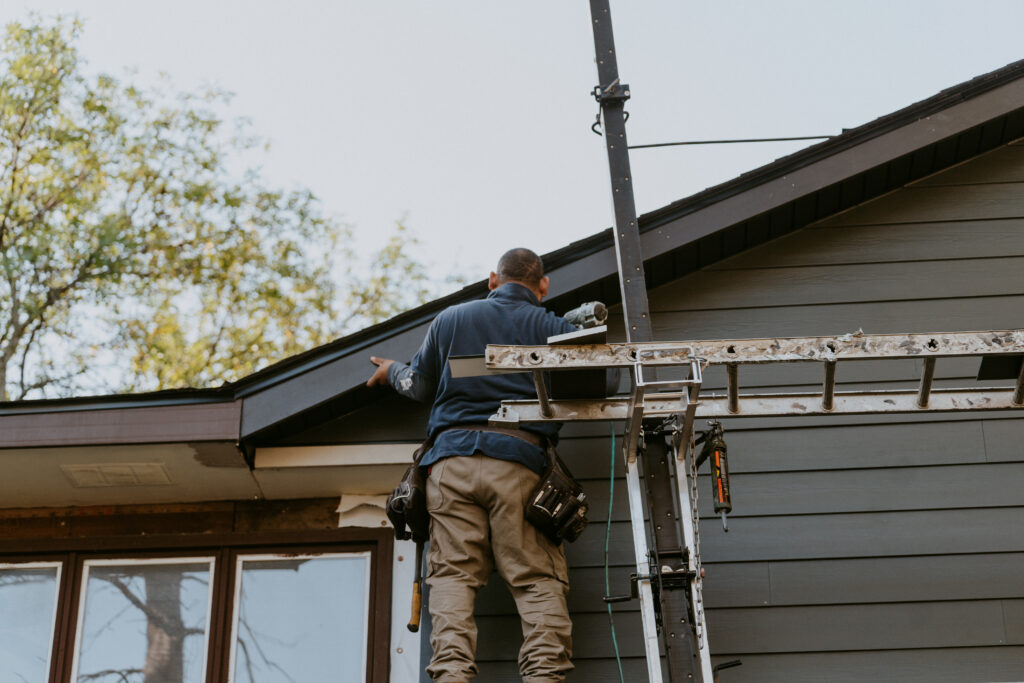
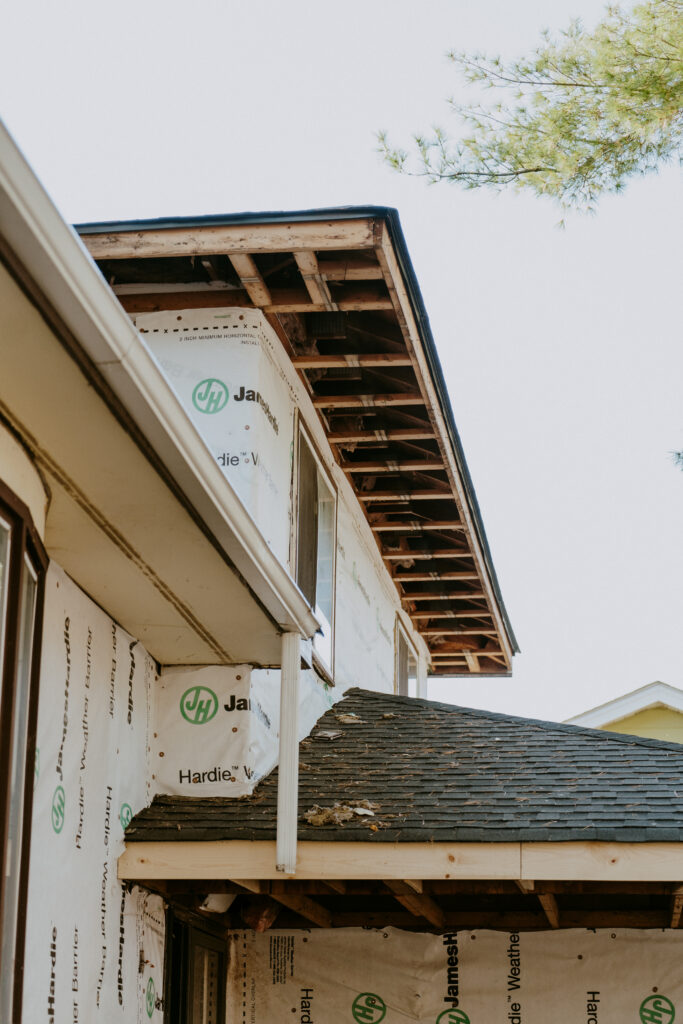
One of our biggest takeaways from this renovation was just how much damage improper installation can cause over time. Even the best materials can fail if they’re not installed correctly, and we learned firsthand how small mistakes can lead to moisture issues, pest entry points, and long-term structural problems.
Our previous siding had been installed incorrectly, which created gaps, moisture traps, and easy entry points for pests. This time, doing it right mattered just as much as choosing the right materials.
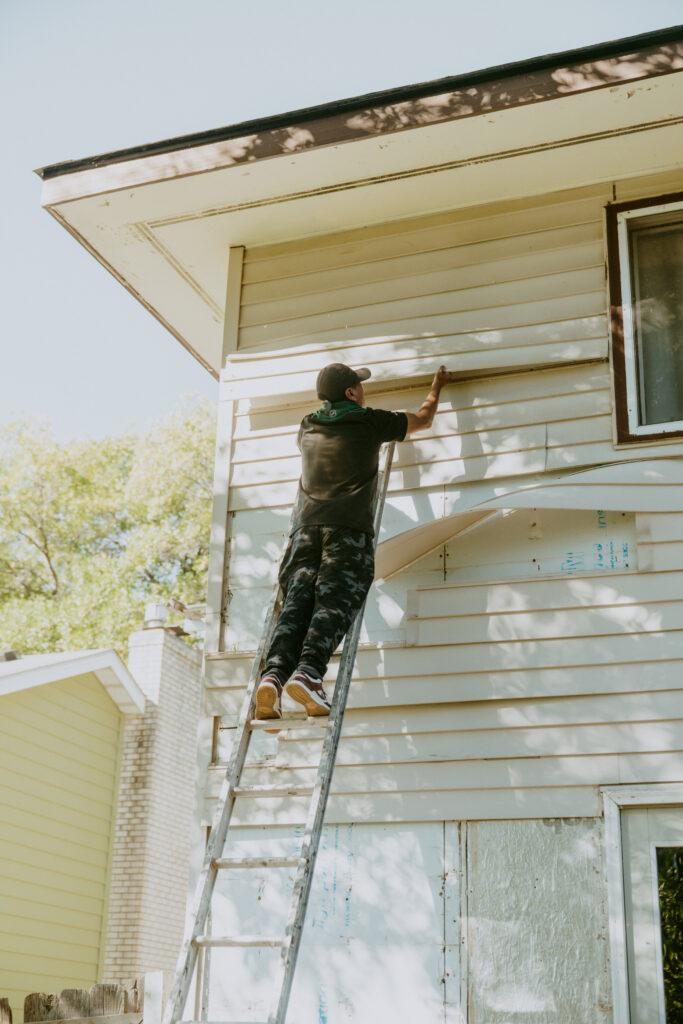
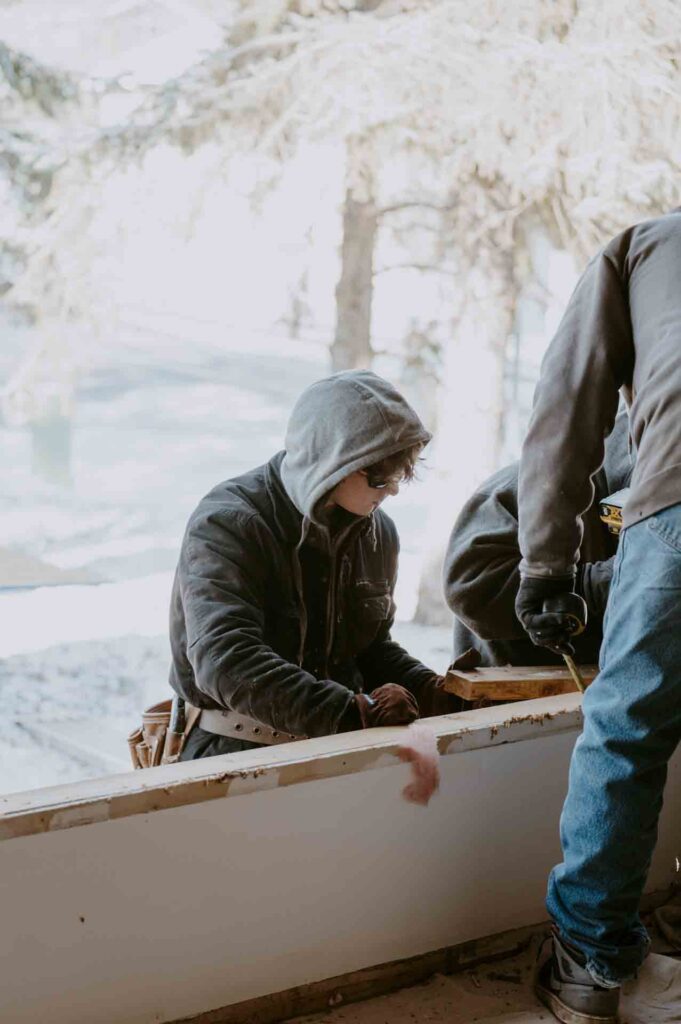
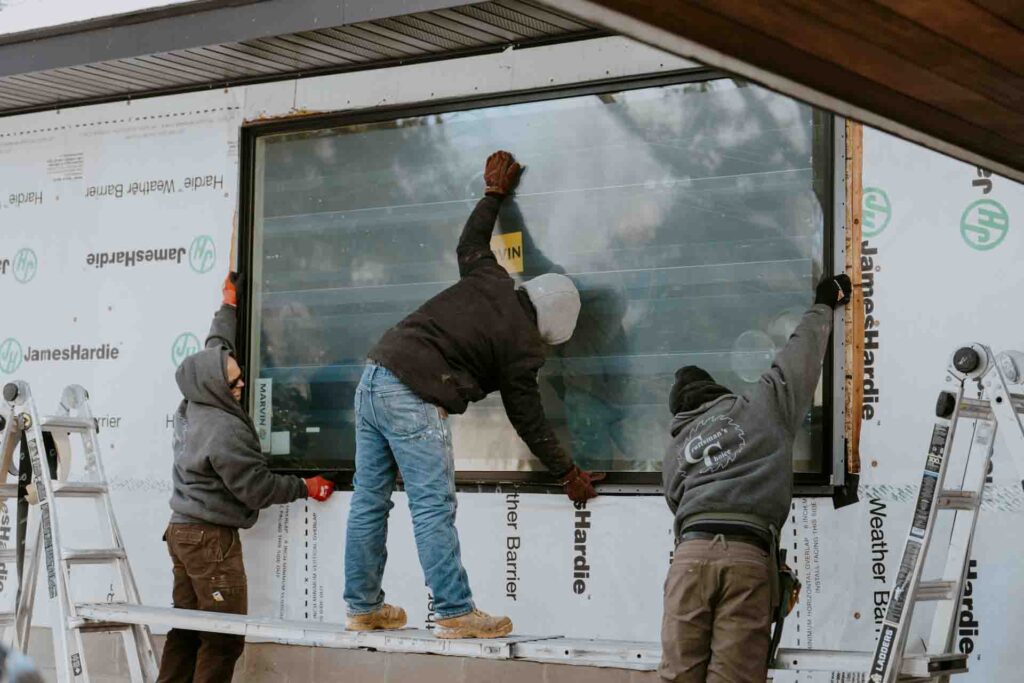
We worked with Craftsman’s Choice, and the experience made all the difference.

Working with the Right Contractor
From the start, the process felt thoughtful and educational rather than rushed.
- We worked directly with Ben, the owner, who took time to explain each step
- The team focused heavily on prep work, sealing, and long-term performance
- Communication stayed clear and consistent throughout the project
- Everything was installed correctly from the beginning
As much as we love DIY, this was not a project we wanted to take on ourselves. Having a professional team complete the work in just a few full workdays brought us peace of mind that was well worth it
Siding Style, Window Updates, and Exterior Color Choices
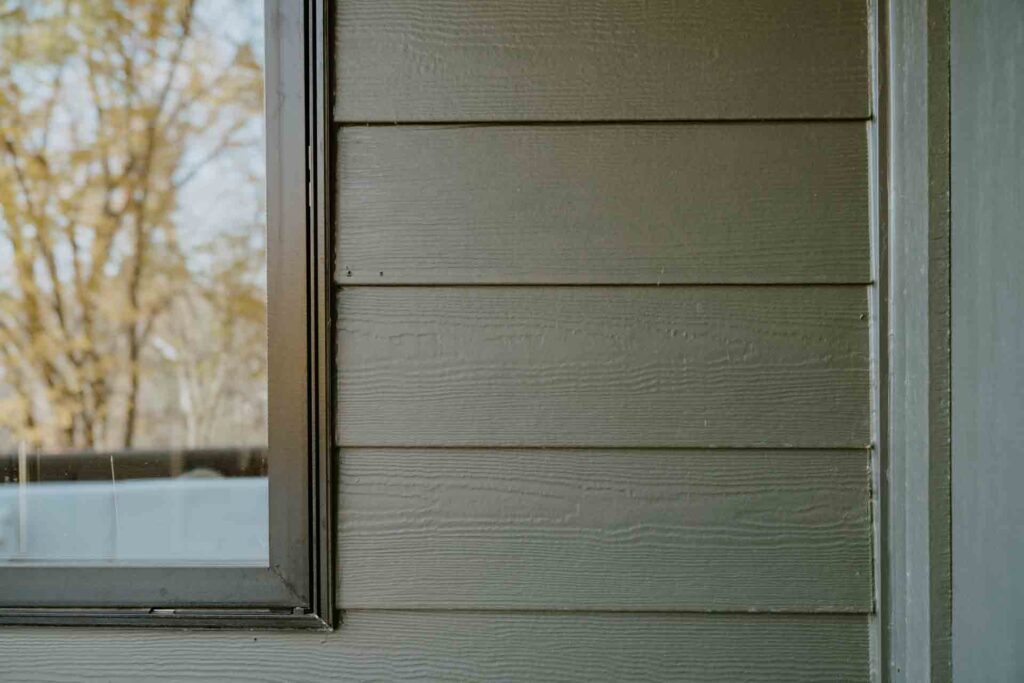
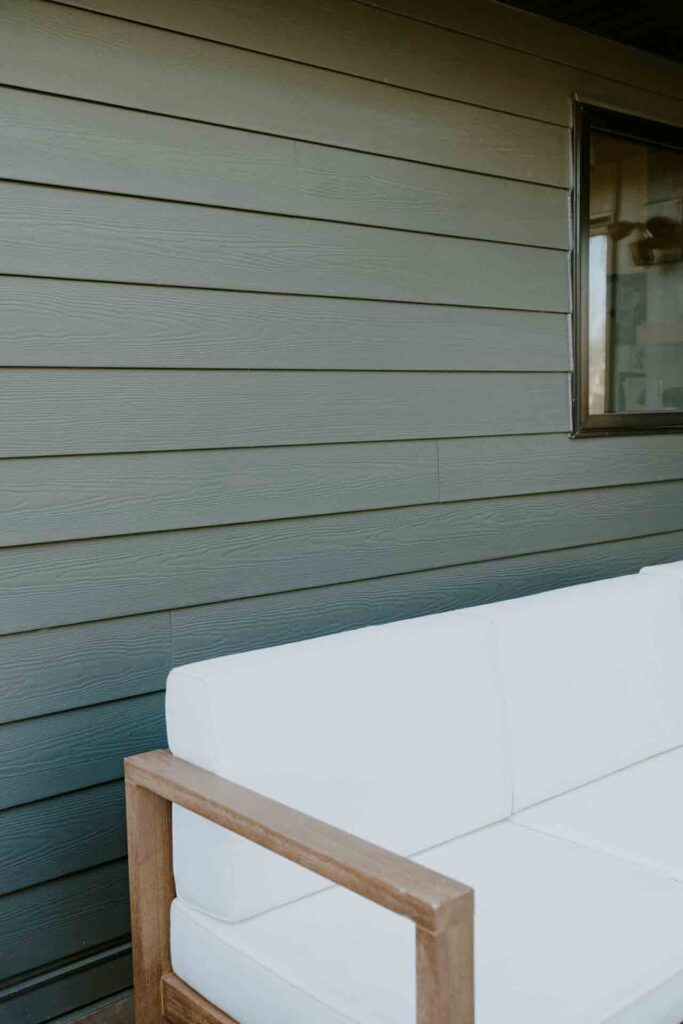
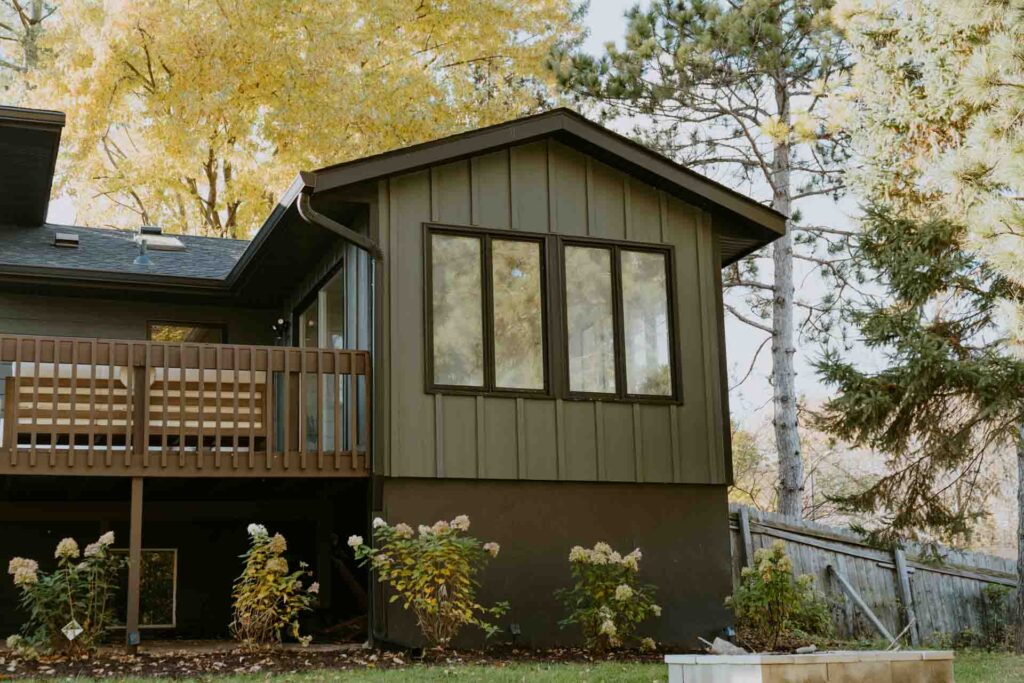
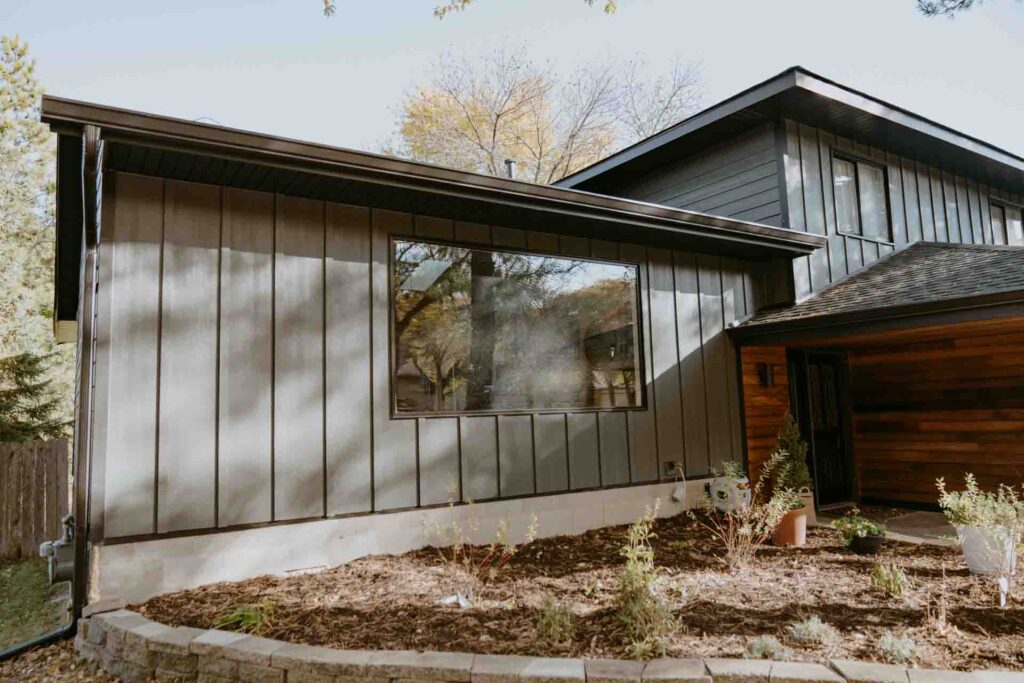
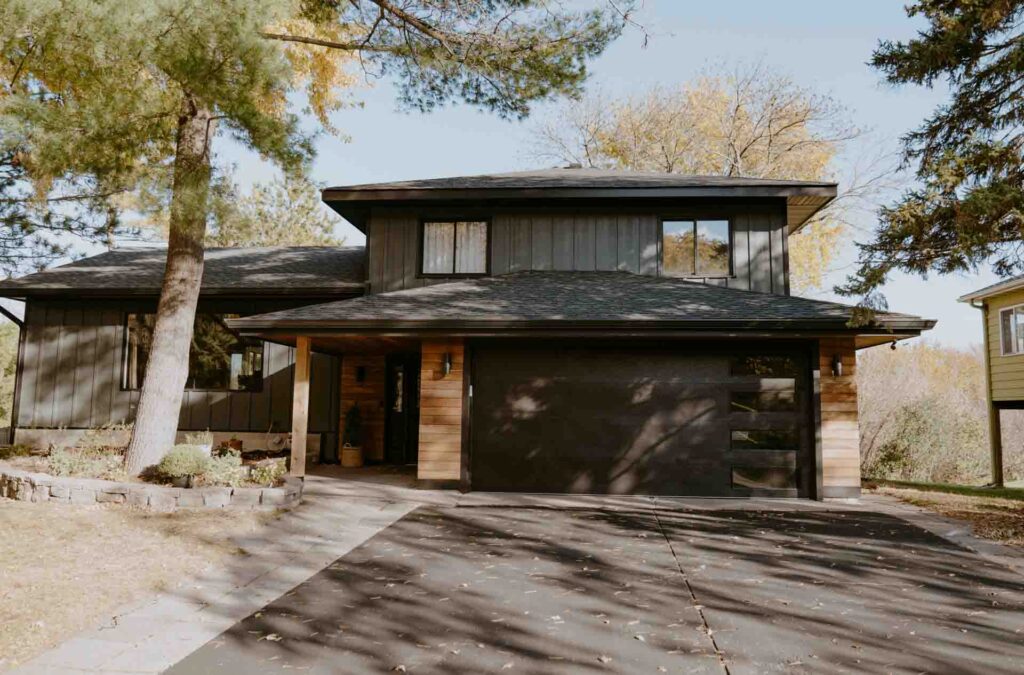
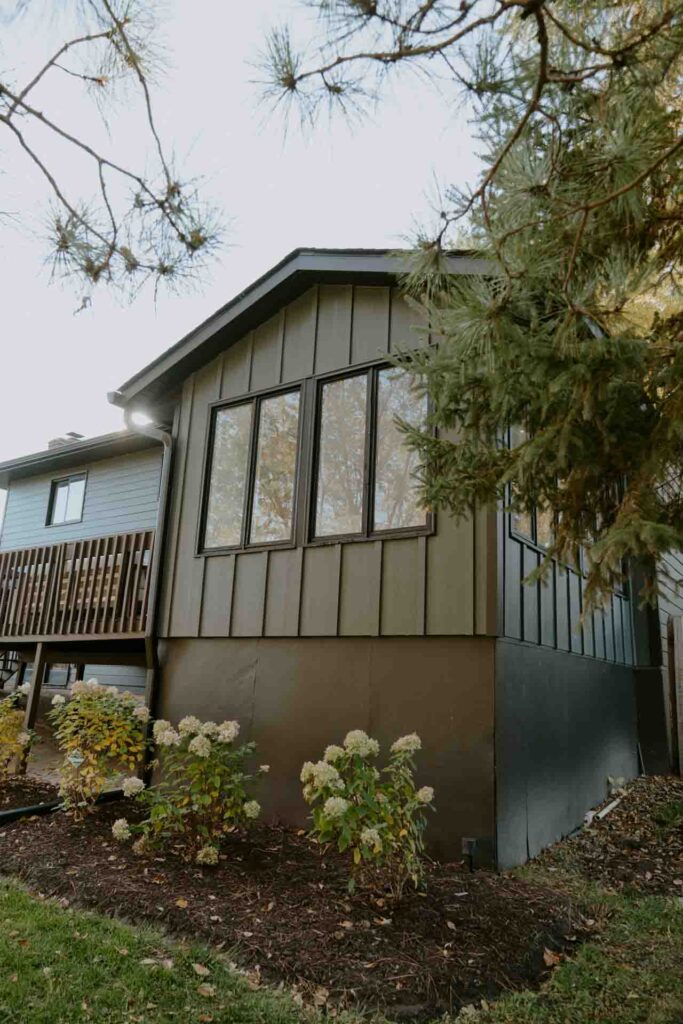
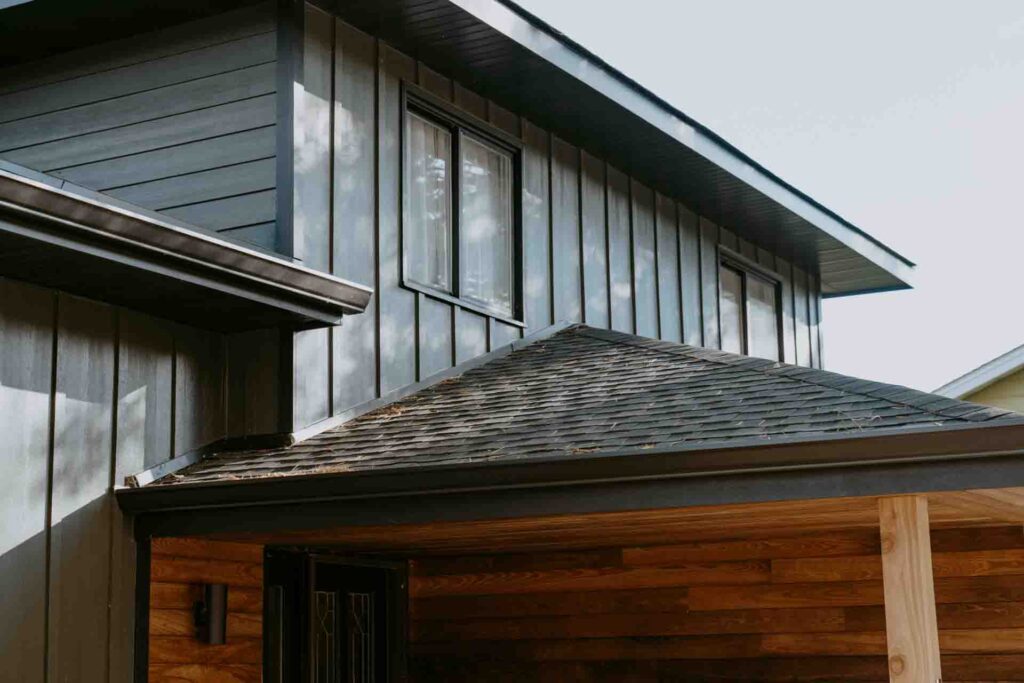
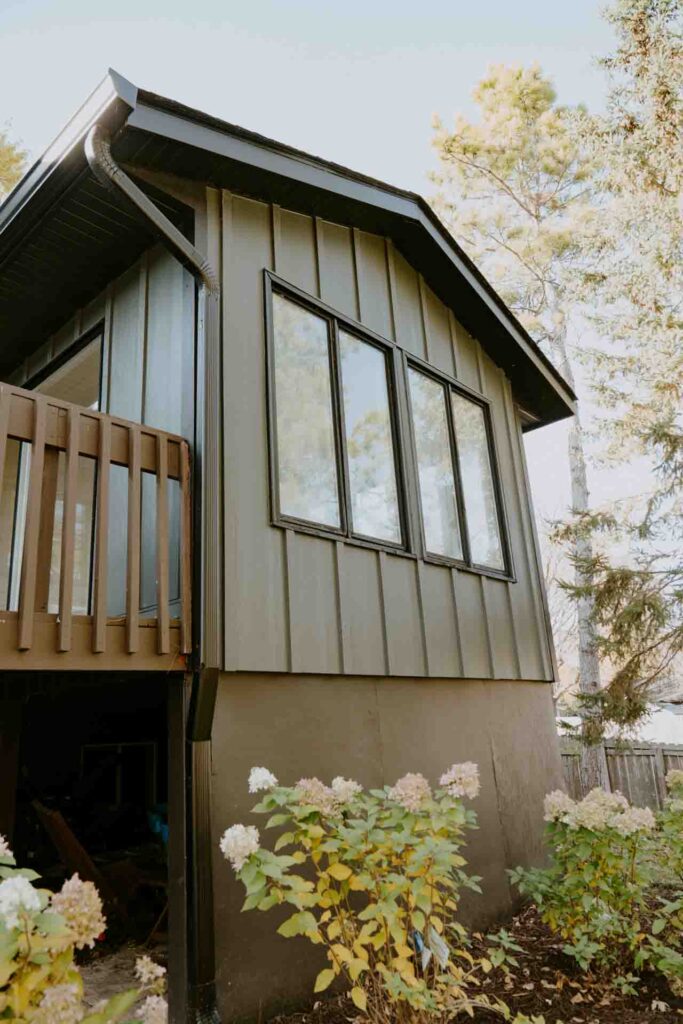
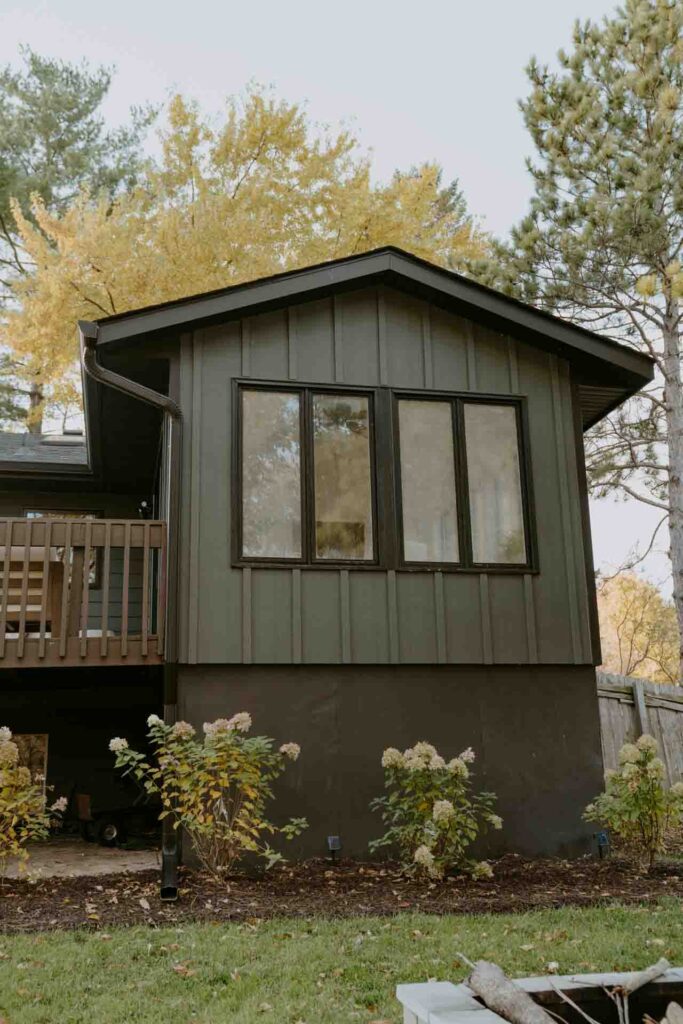
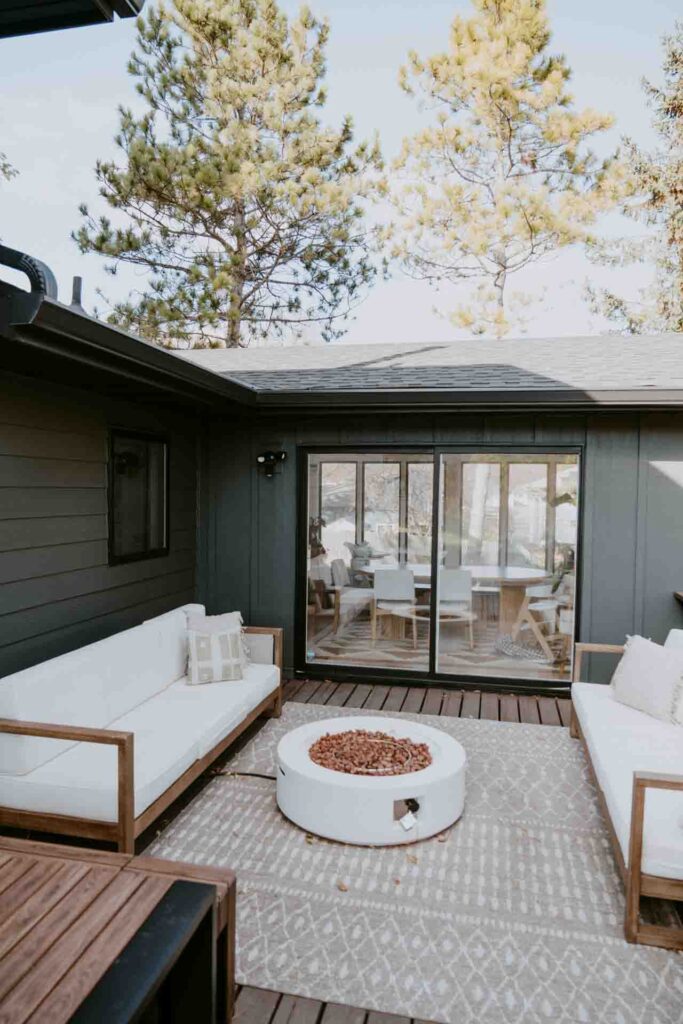
To honor the era of our home while modernizing it, we chose a combination of siding profiles that added structure and intention. Mixing vertical board-and-batten with wider lap siding allowed us to reference the home’s original mid-century roots while giving it cleaner lines and a more contemporary presence.
Exterior Siding Design Choices
We used a mix of:
- Vertical board-and-batten siding
- Wider 8-inch lap siding for a clean, modern feel
The thicker boards created strong visual lines and replaced the patched, inconsistent look the house had before. Instead of feeling pieced together from different repairs over the decades, the exterior now feels unified, architectural, and thoughtfully designed from every angle.

Replacing the Bow Window
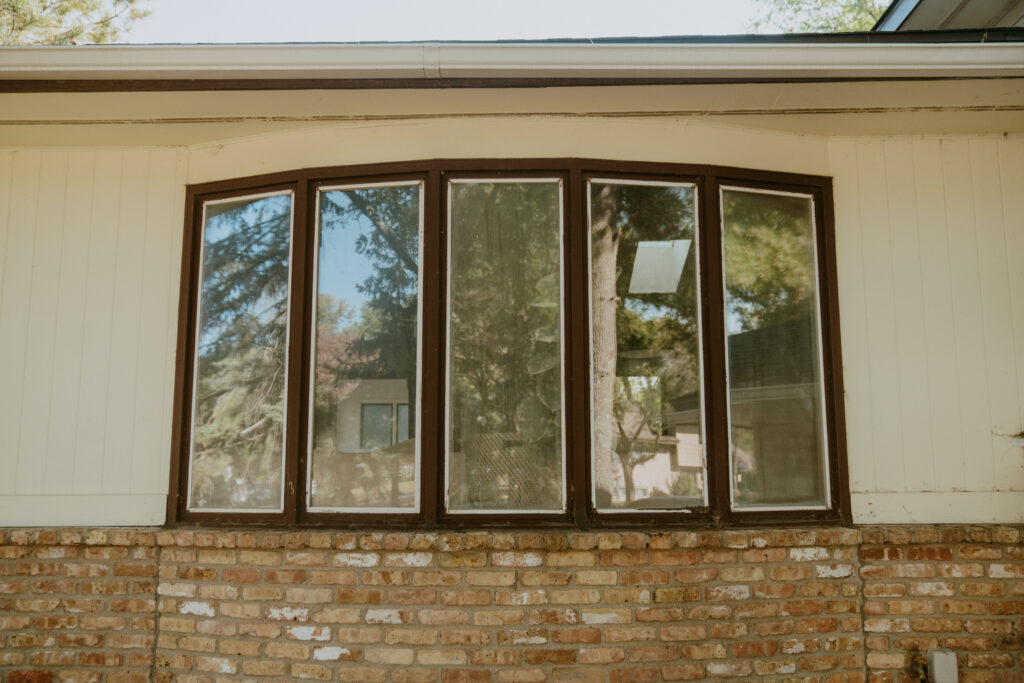
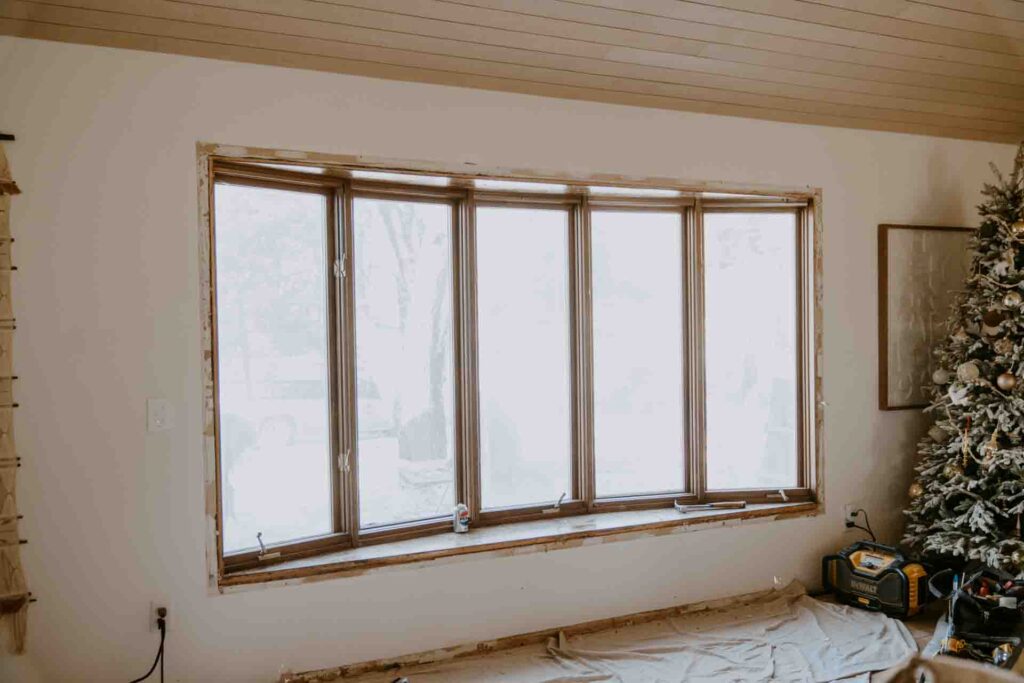
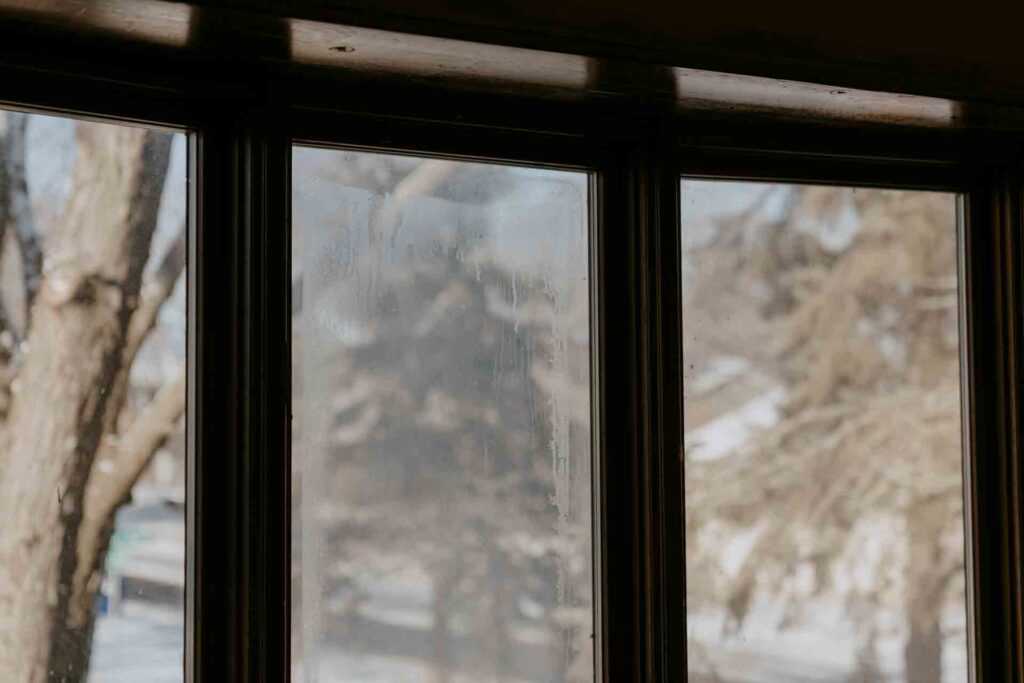
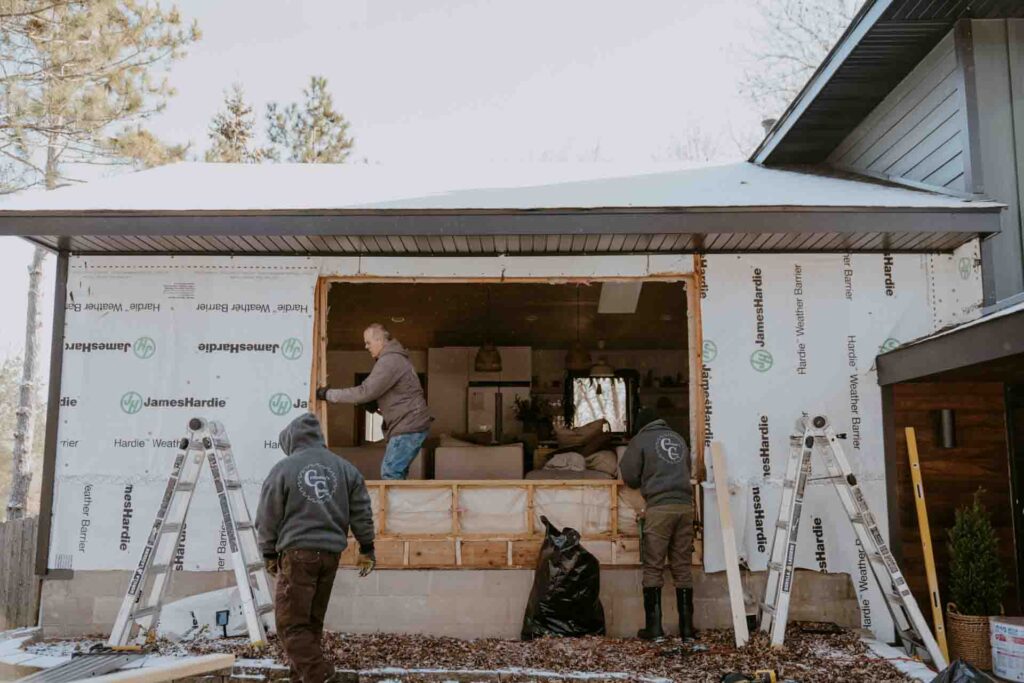
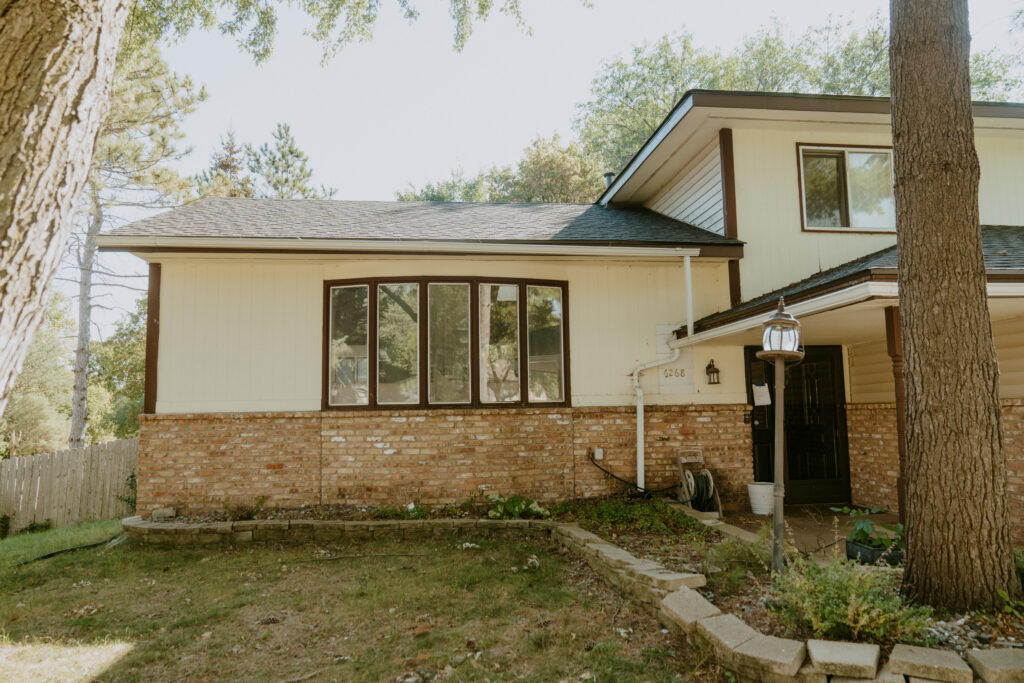
One of the biggest design changes we made was removing the original bow window and replacing it with a 10-foot fixed glass window. While bow windows can be beautiful, we realized we weren’t actually using it in a meaningful way. Our couch sat directly in front of that wall, which made the window nonfunctional both inside and out.
By switching to a large, fixed pane of glass, we were able to simplify the exterior lines, bring in more natural light, and create a cleaner, more intentional look that better fits a mid-century modern style. The change made a huge impact on both the interior and exterior of the home, even though it was just one element.
The new window allowed us to:
- Create one clean, uninterrupted view
- Let in more natural light
- Simplify the exterior lines to better fit a mid-century modern style
Because our home gets relatively low natural light, this change made a huge impact both inside and out.
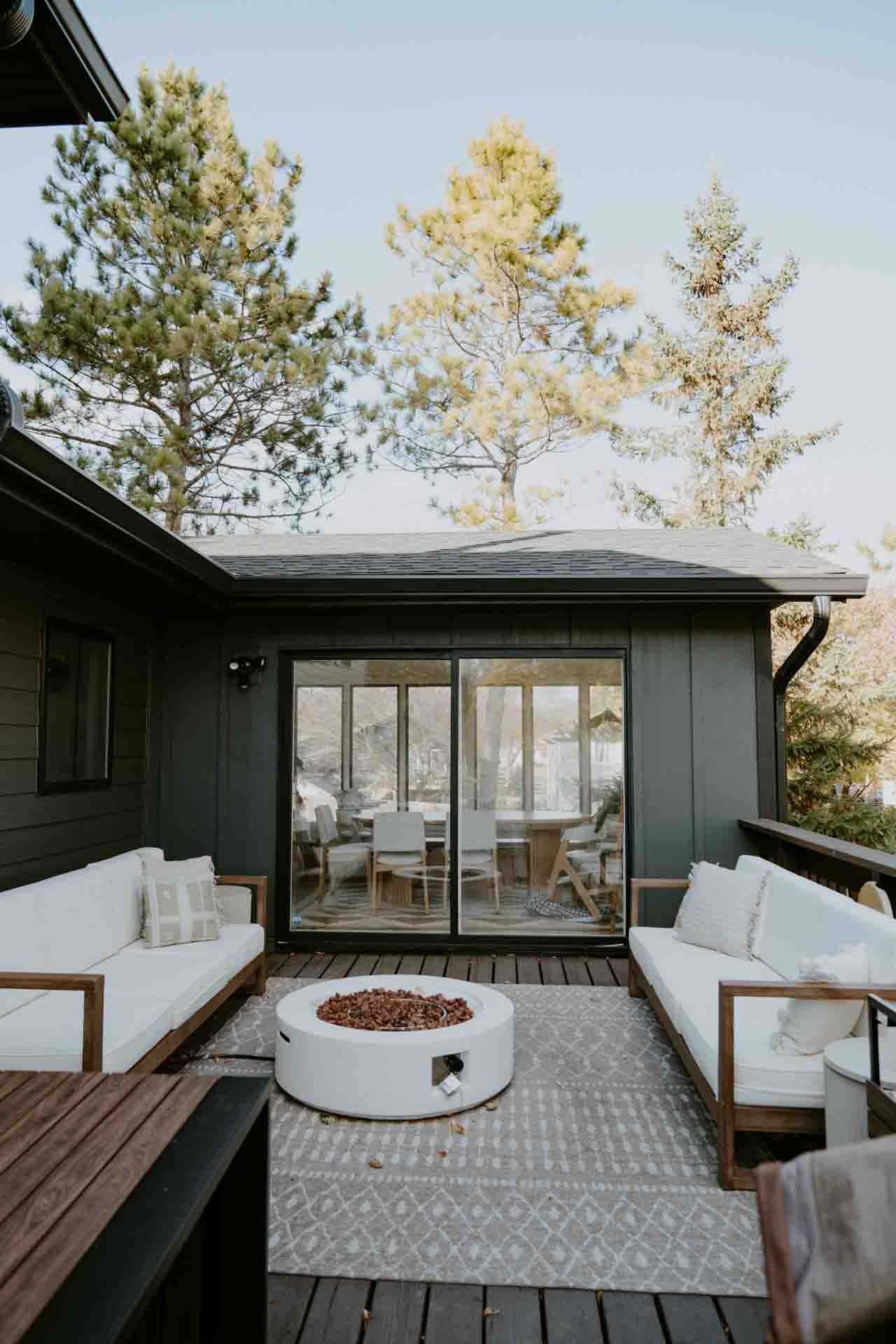
Exterior Color Palette
We leaned into a darker, moodier palette that fits our wooded surroundings.
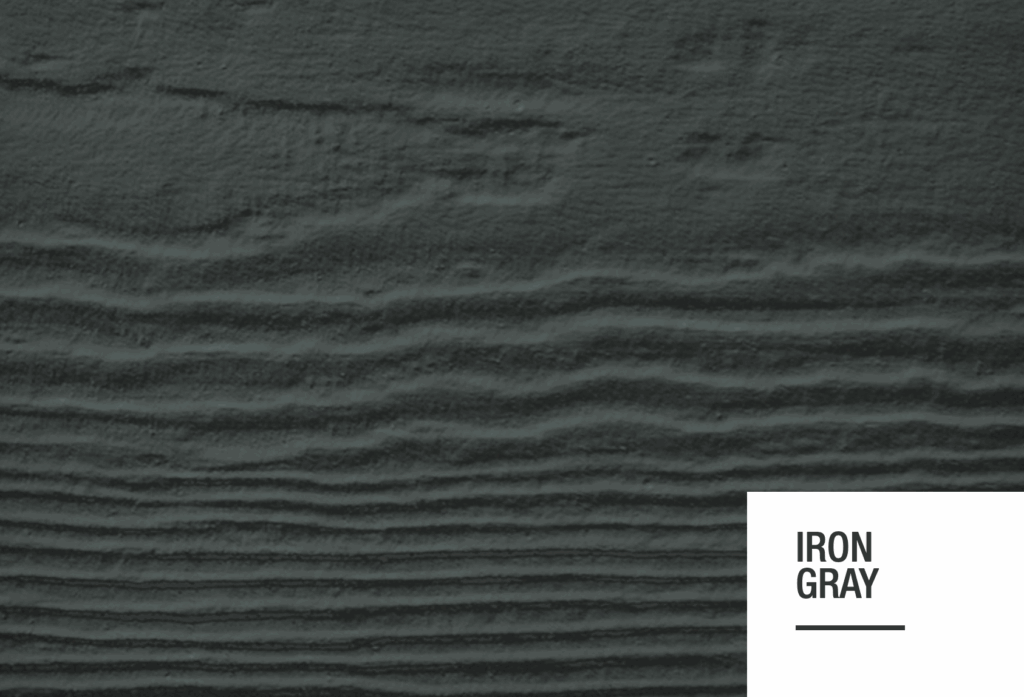
- James Hardie Iron Gray for the main siding
- Midnight Black for trim and fascia
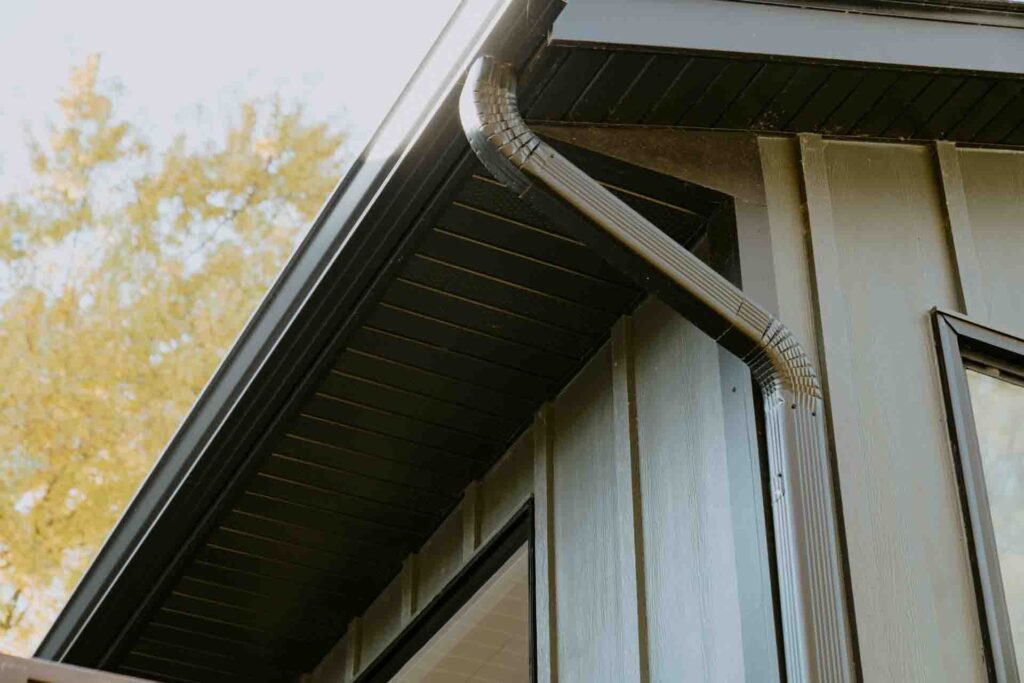
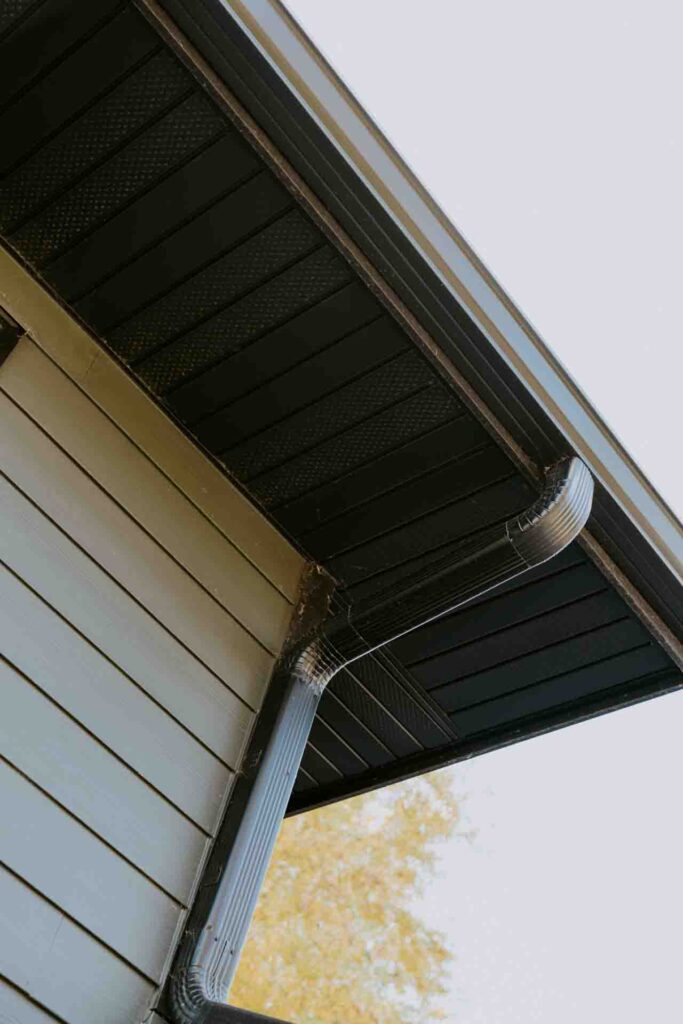
- Black soffits for a cohesive finish
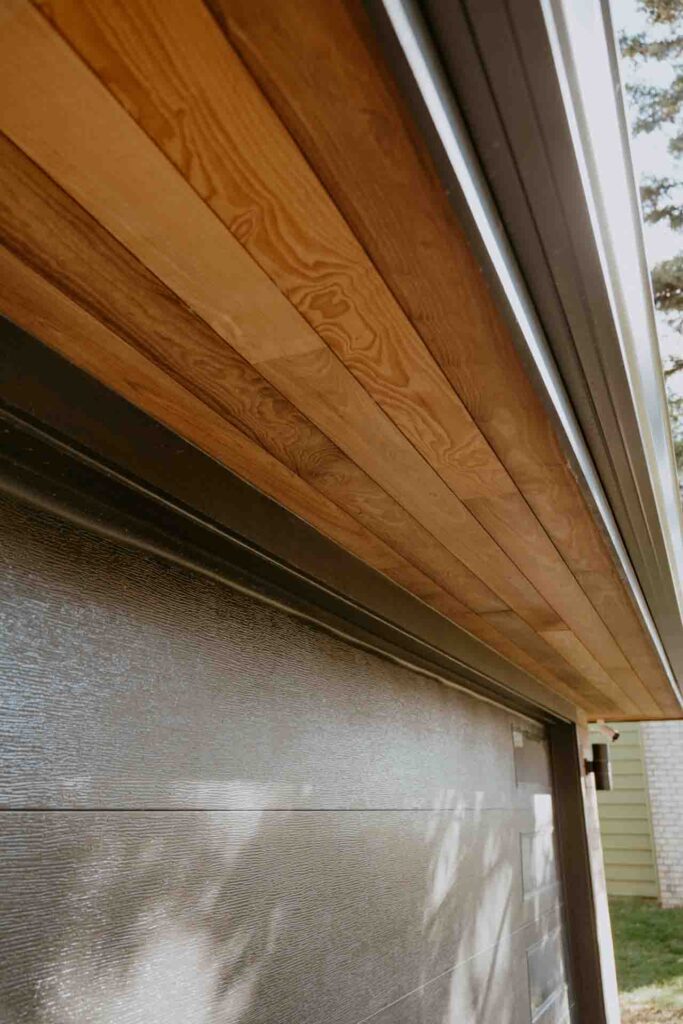
Warm wood accents softened the darker tones and added balance.
Solving Our Water Issues with Proper Gutters
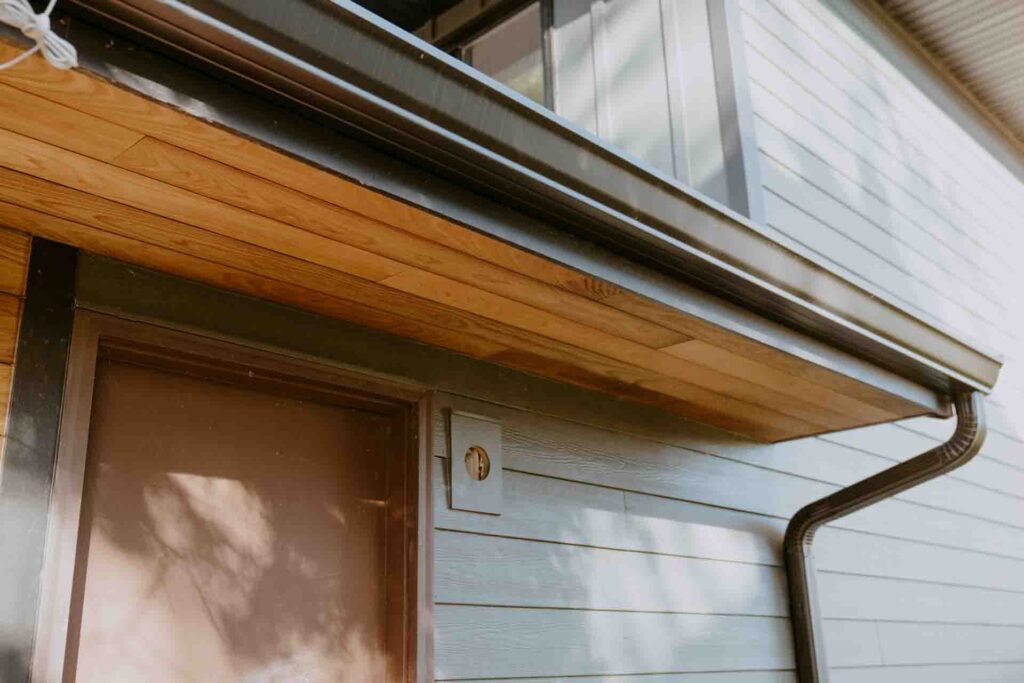
Adding gutters was one of the most important upgrades in this renovation, even though it’s not the most glamorous change. Without them, water had been running straight down the siding for years, accelerating rot, moisture damage, and structural issues. Proper gutters finally allowed the home to function the way it should and protect everything we invested in.
We chose seamless gutters from a local company for a clean, modern look, and they blend effortlessly into the exterior. It’s one of those upgrades you don’t always notice right away, but it plays a huge role in making sure the rest of the renovation actually lasts.
Updating the Garage Door for a Modern Exterior Upgrade
Garage doors often take up a surprisingly large portion of a 1970s home’s facade, yet they’re one of the most commonly overlooked exterior elements. On our house, the old garage door felt bulky, dated, and visually disconnected from the rest of the exterior. This made the entire front elevation feel heavier than it needed to be.
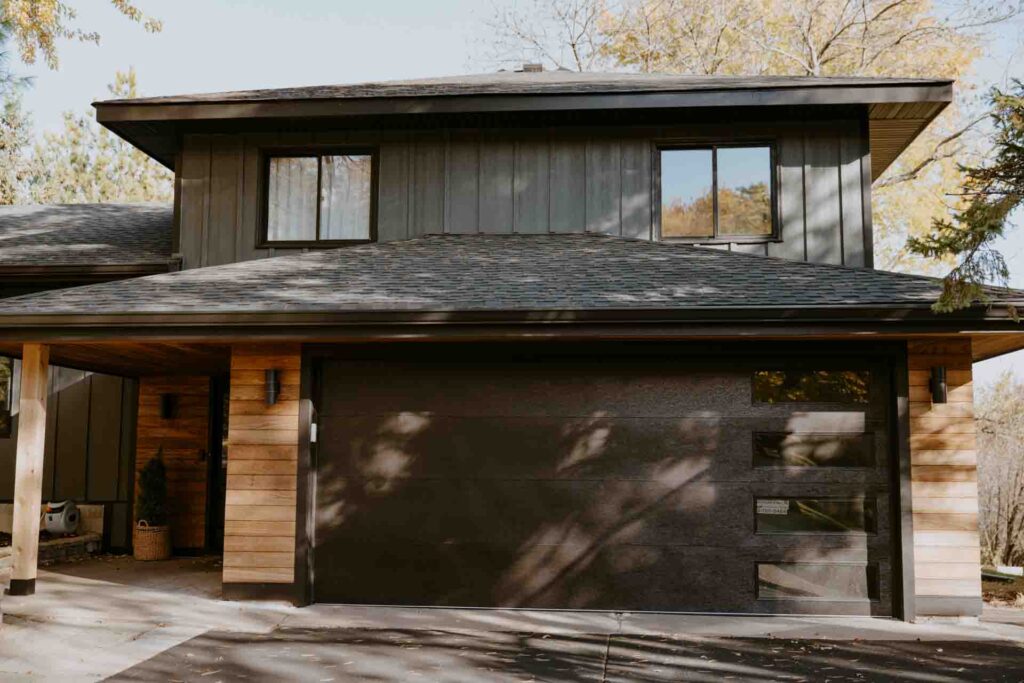
We replaced it with a modern black garage door featuring slim vertical windows along the side, and the difference was immediate. This update simplified the overall look of the home, added subtle architectural interest, and allowed more natural light into the garage without overpowering the design. It also tied in seamlessly with our black trim, fascia, and soffits, making the garage feel intentional rather than like an afterthought.
Garage door replacement is also one of the highest return exterior upgrades, making this a smart long-term investment.

Adding Warmth with Exterior Wood Accents
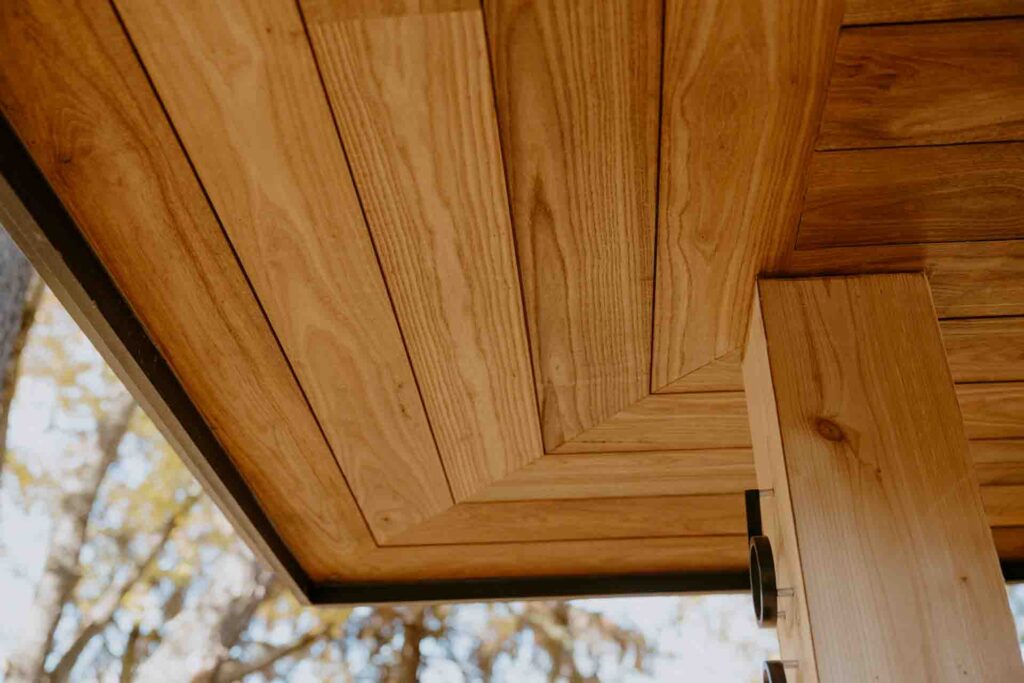
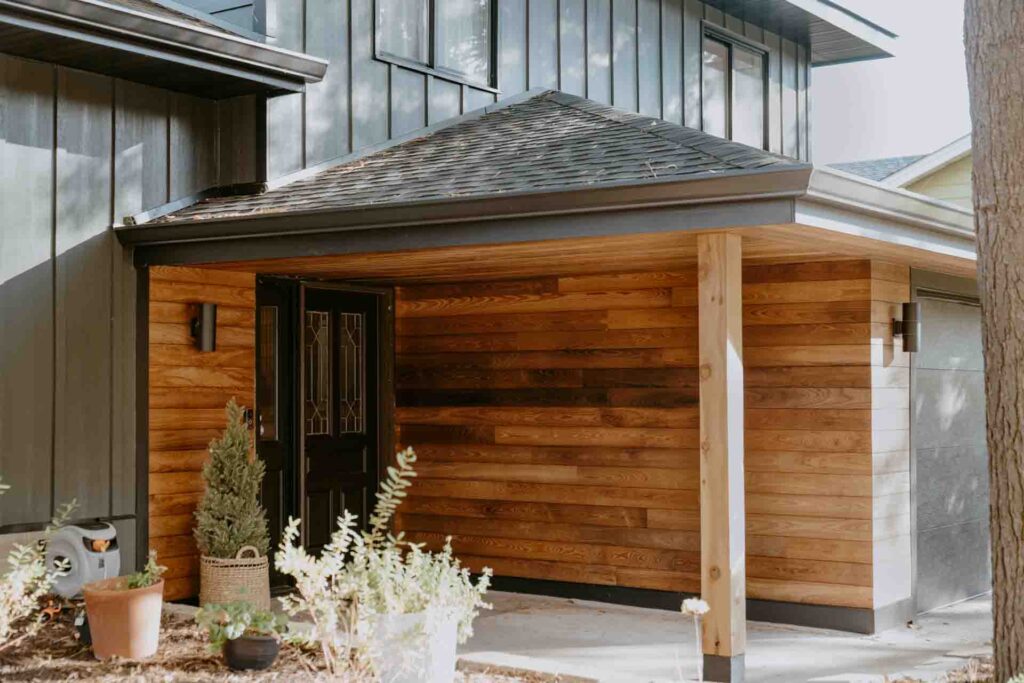
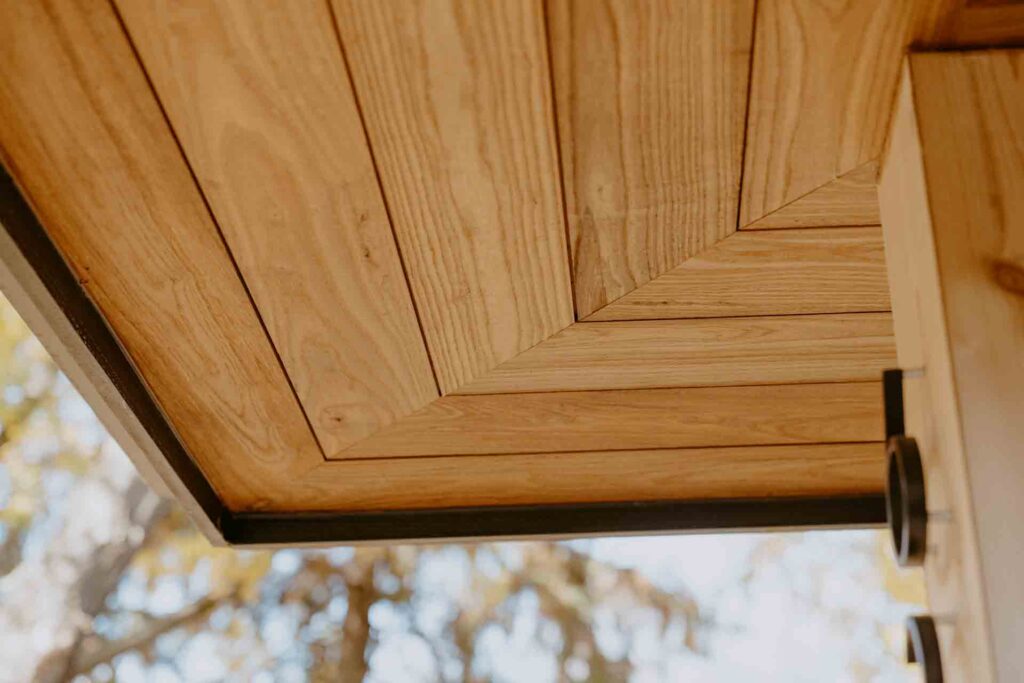
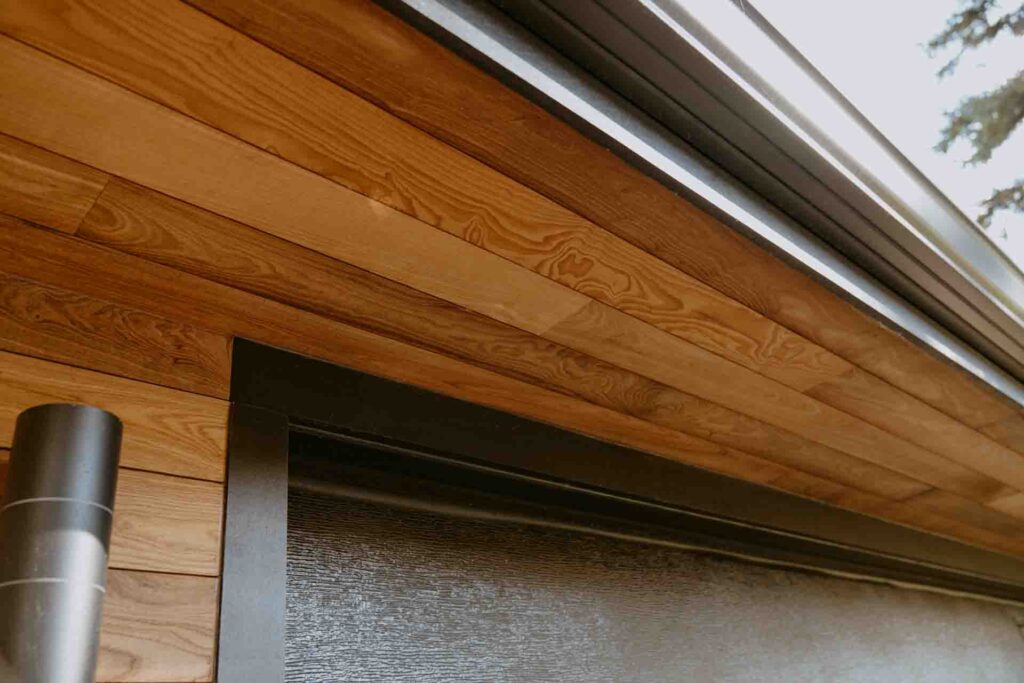
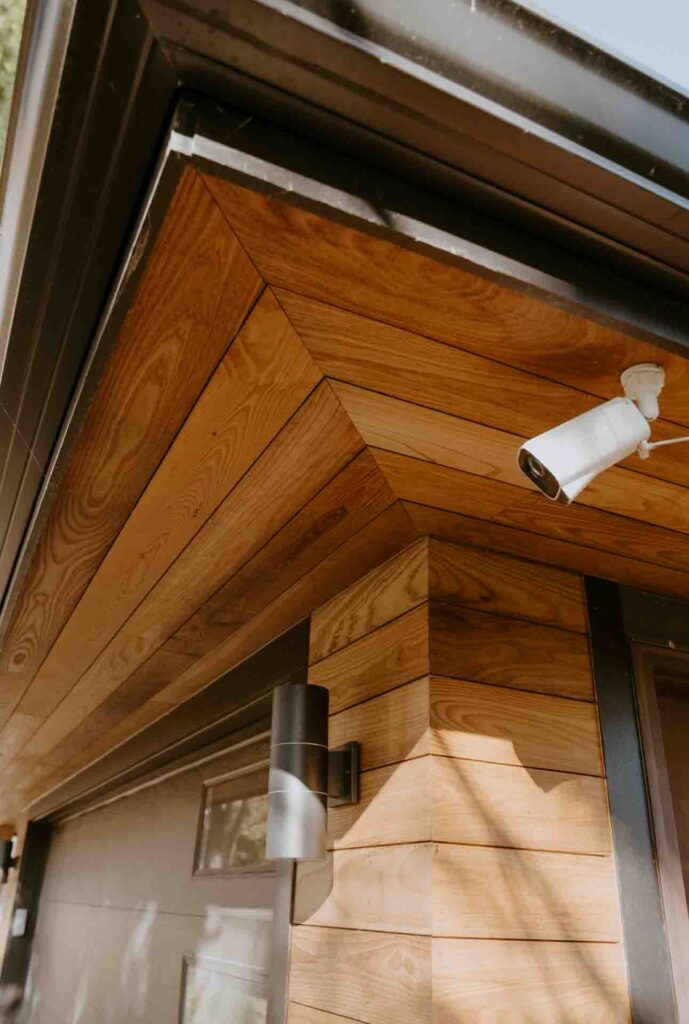
To balance the dark siding and prevent the exterior from feeling too heavy, we added wood cladding on the garage using Ash Wood from WoodPlank. The warmth of natural wood was exactly what the exterior needed to soften the darker palette and bring in texture without competing with the clean, modern lines of the home.
We were very intentional about using wood selectively rather than everywhere. By limiting it to the garage, the wood becomes a focal point instead of a maintenance burden. It adds contrast, depth, and character while still keeping the rest of the exterior low-maintenance and durable.
This approach allowed us to get the visual impact of wood without overwhelming the design or sacrificing longevity, and it’s one of the details we get the most compliments on.
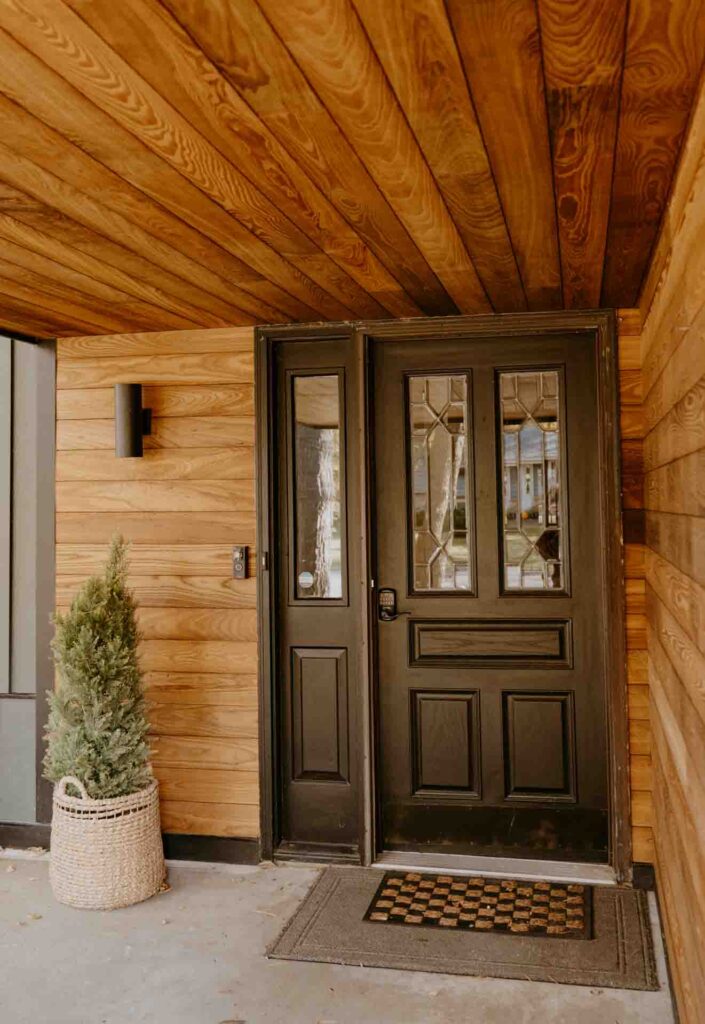
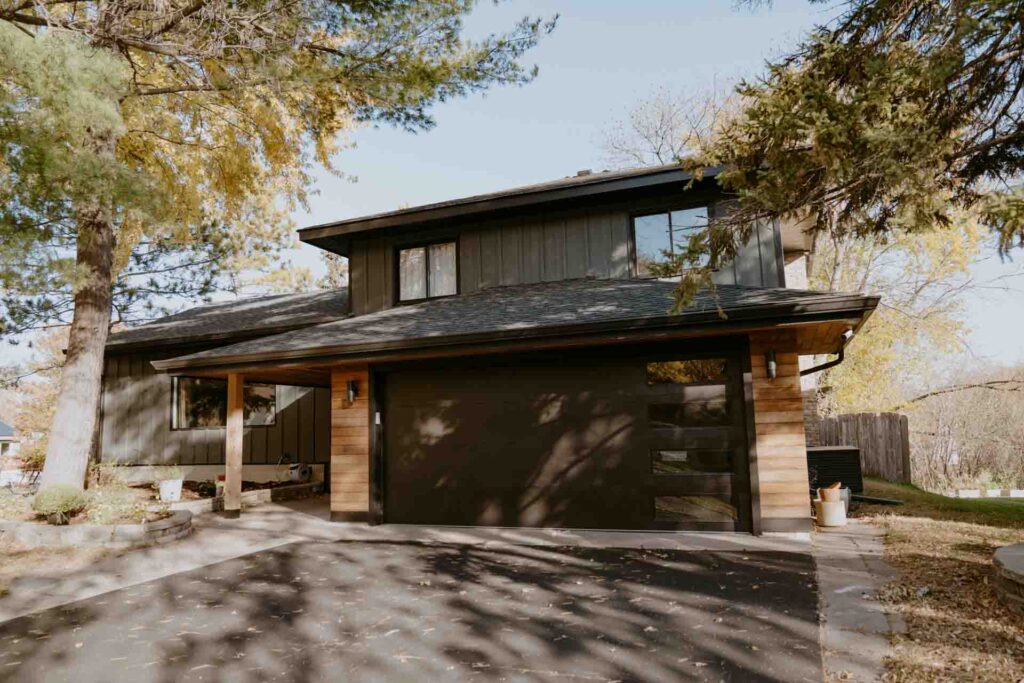
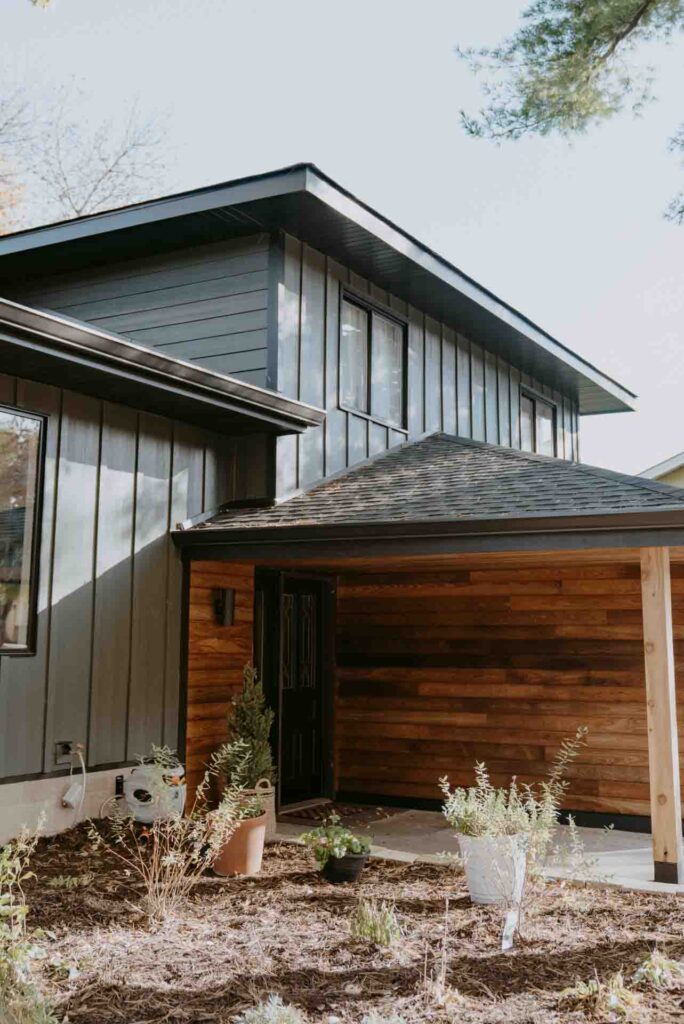
Before and After: A Mid-Century Modern Exterior Transformation
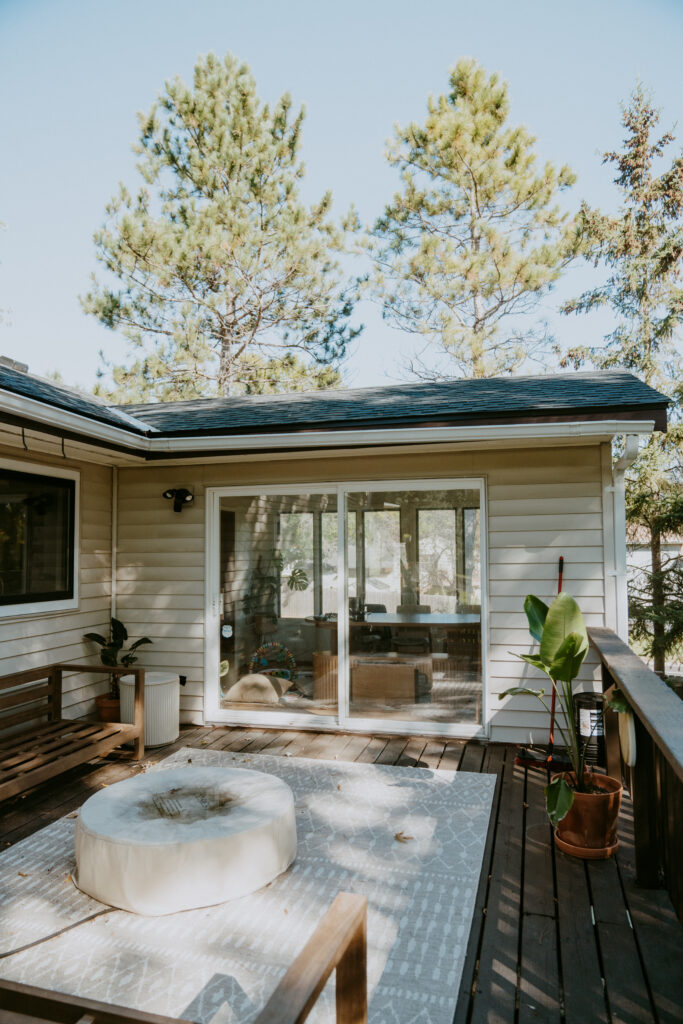
This transformation went far beyond aesthetics and completely changed how our home functions and feels on a daily basis. What started as an exterior update became a full reset that addressed long-standing structural issues, improved durability, and gave us peace of mind knowing our home is finally protected, sealed, and built to last for the long term.
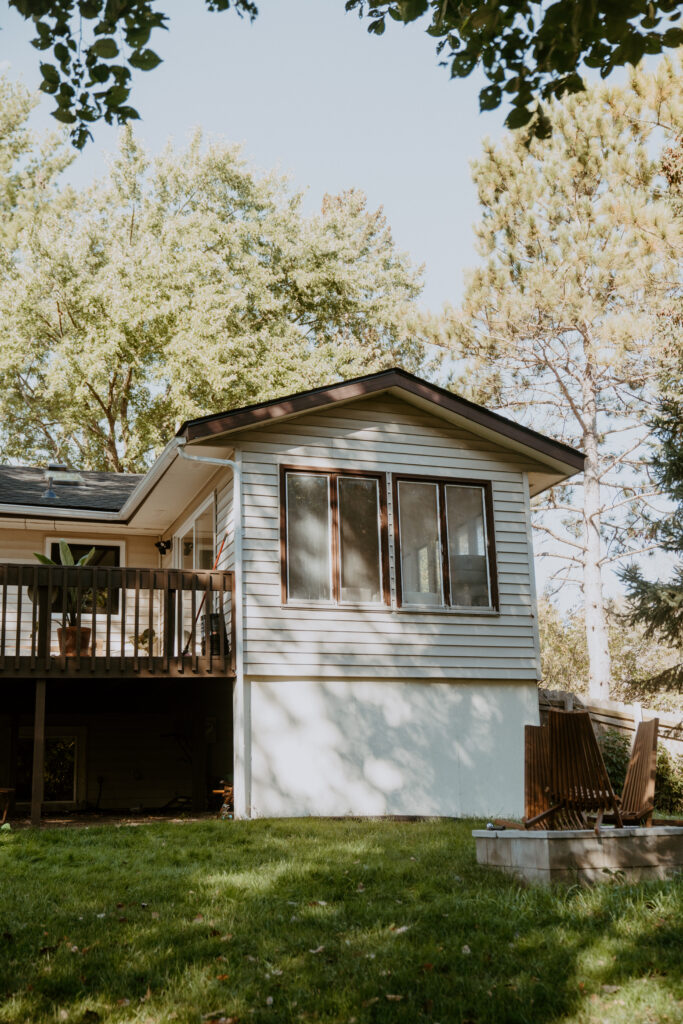
Shop This Project: Exterior Renovation Details
James Hardie Fiber Cement Siding
Fixed Glass Window
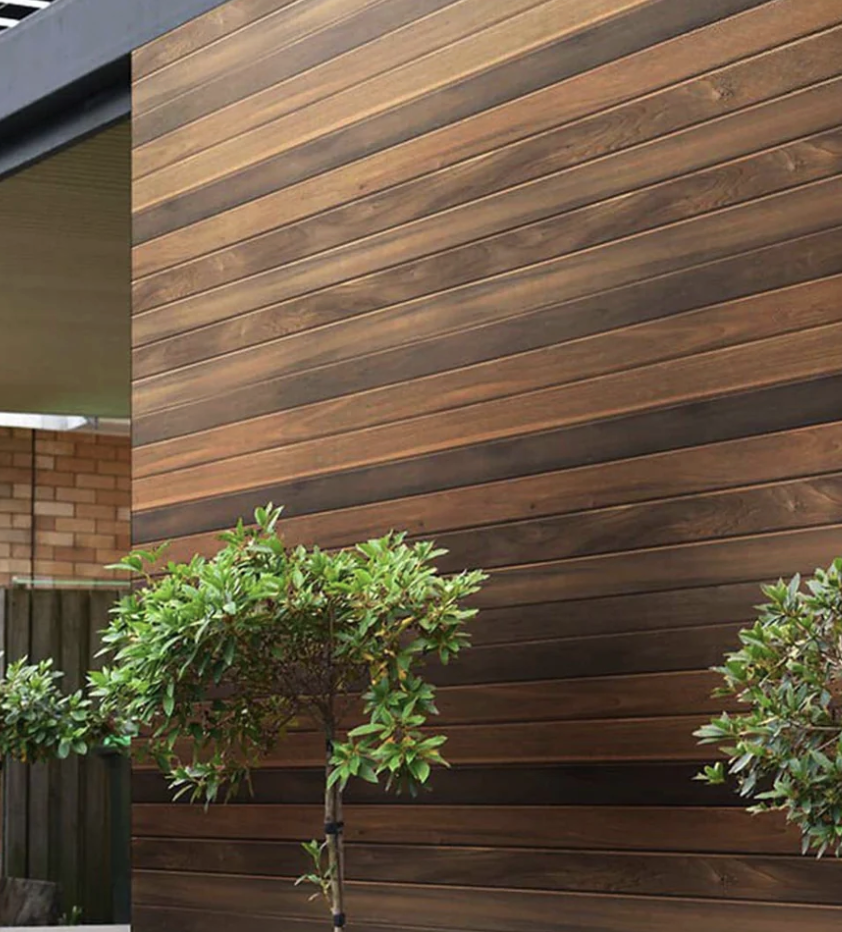
Ash Wood Cladding
Craftsman’s Choice (MN) – Exterior Contractor
A Mid-Century Modern Exterior Built to Last
We couldn’t be happier with how this exterior transformation came together. What started as storm damage and long-standing frustration turned into an opportunity to rebuild our home the right way. The new exterior feels intentional, warm, and true to the era of the house, while finally giving us the durability and protection we needed all along.
More than anything, this project gave us peace of mind. Our home is now properly sealed, ventilated, protected from water and pests, and built to withstand Minnesota’s harsh seasons for decades to come. It’s proof that sometimes the hardest delays lead to smarter, more thoughtful upgrades in the end.
Have questions about renovating a your home exterior?
Drop a comment below.
We’d love to hear from you.
Follow along with more DIY projects and home updates here:
📷 Instagram
📹 TikTok
🎥 YouTube
For more tutorials, renovation stories, and behind-the-scenes moments, come hang out with us across platforms.
We’re so glad you’re here.
Happy DIYing,
Sway + Sarah Build
Our 1970s Home Exterior Transformation
Our 1970s Home Exterior Transformation

